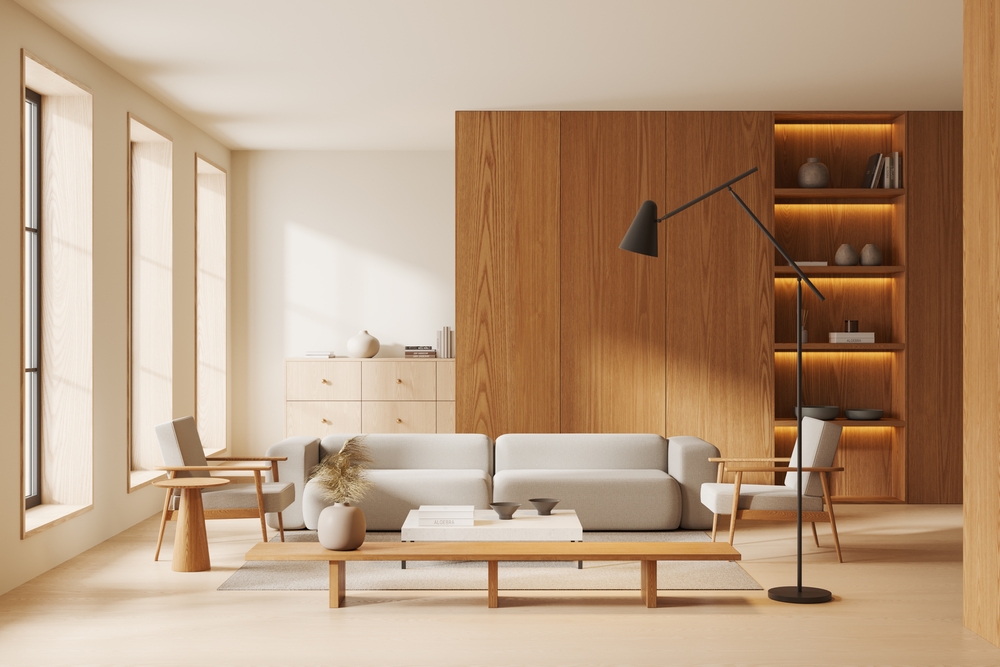
Creating Timeless Living Rooms with Layered, Lived-In Design
There’s something deeply satisfying about walking into a living room that feels like it has a story to tell. The layered, lived-in approach to interior design offers a welcome alternative to those pristine, magazine-perfect spaces that often feel more like showrooms than actual homes. This design philosophy embraces the idea that living rooms should be the beating heart of a home—places where families naturally congregate, where guests feel instantly at ease, and where the rhythms of daily life play out comfortably.
The foundation of this approach often begins with selecting versatile modern couches that can anchor your space while providing the perfect canvas for layering textures, treasured antiques, and personal collections that reflect your journey. Instead of chasing the latest trends that will feel dated in a few years, this method creates spaces that grow more beautiful and meaningful as time passes, evolving naturally alongside your life.
The Appeal of Layered, Lived-In Living Rooms
Interior design has undergone a fascinating transformation in recent years. We’re seeing a deliberate move away from those stark, minimalist spaces dominated by white walls and sparse furniture toward rooms that feel genuinely collected and thoughtfully curated over time. This shift prioritizes warmth, depth, and emotional resonance over the kind of picture-perfect aesthetics that might look stunning on social media but feel sterile in person.
The advantages of this approach run much deeper than mere visual appeal. Layered living rooms become true sanctuaries—spaces that tell the story of who you are while standing up beautifully to the wear and tear of real life. Interior design professionals consistently note that rooms incorporating antiques and varied textures create a psychological richness that naturally promotes relaxation and well-being. The magic happens when you achieve that sweet spot of visual richness without tipping into clutter—a delicate balance that comes from thoughtful curation rather than simply accumulating objects.
Key Elements for Building Depth and Texture
Texture-maxxing has become the cornerstone of successful layered design, and for good reason. This approach involves the strategic layering of rugs, cushions, throws, and various textiles to transform potentially cold, hard surfaces into environments that practically invite you to sink in and stay awhile. Begin with a solid neutral rug as your foundation, then thoughtfully introduce patterned pieces—but use restraint to maintain visual harmony while adding that crucial layer of interest underfoot.
Moody color palettes work hand in hand with texture to create that coveted sense of intimate enclosure. Rich, earthy tones like deep forest greens, warm chocolate browns, and sophisticated plums on walls and even ceilings wrap spaces in a kind of sophisticated embrace. The technique of tonal decorating—working within varying shades of the same color family—builds subtle depth without the visual competition that comes when too many contrasting elements fight for attention.
Perhaps most importantly, an emphasis on craftsmanship sets truly timeless spaces apart from their mass-produced counterparts. When you incorporate handmade wooden furniture and handwoven textiles, you’re introducing an authenticity and tactile quality that factory-made pieces simply cannot match. These artisanal elements carry those subtle imperfections and character marks that make spaces feel genuinely inhabited rather than carefully staged.
Incorporating Antiques and Vintage Pieces
Antiques function as the secret weapon for instantly infusing character and uniqueness into layered designs. Hunting down pre-loved pieces with beautifully patinated finishes or rustic charm creates natural focal points that can anchor an entire room’s composition. The real artistry lies in mixing different eras and metals rather than falling into the trap of perfect matching—which often feels forced and unnatural.
Picture this scenario: a vintage brass side table paired with contemporary linen cushions and a sleek modern reading lamp. This combination creates exactly the kind of visual tension that feels completely intentional rather than accidental. It’s a perfect example of how you can gradually transform a blank canvas into a deeply personal haven by adding meaningful pieces over time, with each new addition contributing another chapter to your room’s evolving story.
Furniture Choices That Support Layering
The backbone of any successful layered design lies in choosing versatile seating with clean, timeless lines and durable upholstery that can serve as a neutral anchor amidst more eclectic collections. Prioritizing pieces with classic silhouettes gives you the flexibility to introduce seasonal textiles or rotate decorative objects without the entire room feeling disjointed.
The “eclectica” approach—thoughtfully pairing different chair styles or sofa configurations—creates a harmonious variety that avoids the monotony of perfectly matched furniture sets. When it comes to upholstery selection, consider performance fabrics for high-traffic areas to ensure your pieces age gracefully while maintaining that relaxed, lived-in aesthetic that makes these spaces so appealing.
Practical Tips for Achieving a Balanced, Lived-In Look
Color capping techniques prove invaluable for maintaining visual cohesion in richly layered environments. Think of it as creating a gentle gradient from floor to ceiling, using related tones to build subtle dimension while avoiding the chaos that occurs when too many bold patterns compete for attention.
In open-plan homes, strategic zoning through thoughtful rug placement and furniture groupings helps define distinct functional areas while preserving the natural flow throughout your space.
| Element | Purpose | Quick Tip |
|---|---|---|
| Rugs | Warmth & zoning | Layer for depth, choose saturated patterns sparingly |
| Antiques | Personality | Mix metals and eras for authenticity |
| Textures | Comfort | Prioritize natural fibers for tactility |
Common Pitfalls to Avoid in Layered Designs
Over-layering stands as the most frequent mistake when attempting to achieve that coveted lived-in aesthetic. When too many bold patterns or competing textures crowd a space, you end up with visual chaos rather than the curated comfort you’re after. A helpful editing rule: limit bold patterns to a maximum of three per room.
If you’re transitioning from a sterile, all-white minimalist approach, resist the urge to transform everything at once. Instead, introduce warmer elements gradually. Start with one significant textural addition—perhaps a vintage rug or handwoven throw—then build additional layers thoughtfully over time.
Bringing It All Together in Your Home
The art of creating timeless, layered living rooms ultimately comes down to finding that perfect balance between textures, colors, antiques, and craftsmanship to achieve enduring comfort and authentic style. What makes this approach so rewarding is its evolutionary nature—these spaces actually improve with time as your personal collections grow and your stories accumulate.
Begin your journey with one meaningful piece—perhaps a cherished antique or a particularly beautiful textured layer—then build gradually toward a space that feels authentically lived-in. Don’t be afraid to experiment with personal collections and inherited pieces. The goal is creating a living room that not only supports your daily life but also serves as a genuine reflection of your unique journey through thoughtful, intentional design choices.