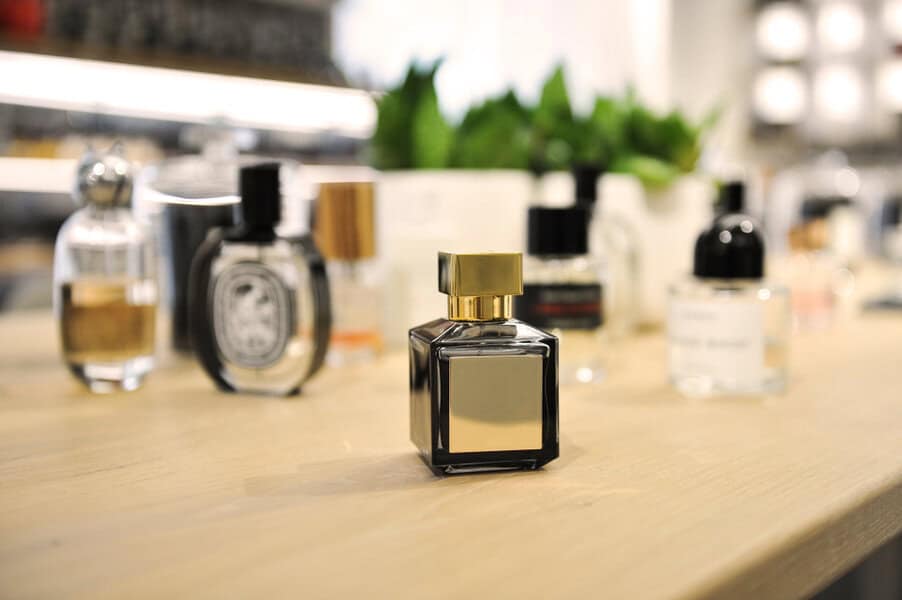
How Niche Perfume Brands Turned Exclusivity Into Big Business
The global fragrance market has entered a period of structural change, and at the centre of that shift stands the once-marginalised niche perfume sector. What began as a discreet alternative to mass-market designer scents has evolved into a high-growth segment commanding premium prices, devoted followings and expanding retail footprints. In an industry long dominated by heritage fashion houses and celebrity endorsements, niche perfumery has transformed exclusivity from a branding choice into a commercial engine.
Industry analysts estimate that prestige fragrance is now one of the fastest-growing categories within beauty, consistently outperforming skincare and colour cosmetics in several key markets. Within that premium segment, niche brands account for a disproportionate share of growth. Their strategy has been deliberate: limited distribution, high-quality raw materials, distinctive scent compositions and an emphasis on storytelling. Consumers increasingly seek differentiation rather than ubiquity, and niche houses have positioned themselves as custodians of authenticity.
Retailers have responded to this shift by expanding curated fragrance portfolios and dedicating more floor space to artisanal labels. Online platforms have further accelerated discovery, allowing fragrance enthusiasts to explore rare compositions without geographic constraints. Specialist beauty portals now provide in-depth brand histories, ingredient breakdowns and customer reviews that deepen consumer engagement. For example, shoppers seeking insight into emerging labels can find more details on Parfumdreams on perfume brands through curated editorial sections that contextualise both established and independent perfumers. Such resources have played a role in educating consumers and reinforcing the perception of niche fragrance as an informed choice rather than an impulse purchase.
From Counterculture to Commercial Force
Niche perfumery historically appealed to connoisseurs who rejected mainstream offerings. Early independent houses distinguished themselves by prioritising creative freedom over mass appeal. They used higher concentrations of fragrance oils, unconventional accords and limited production runs. Scarcity itself became part of the appeal.
Over time, this countercultural stance evolved into a competitive advantage. As global consumers grew more sophisticated, particularly in Europe, the Middle East and parts of Asia, demand shifted towards products that felt personal and less formulaic. The standardised scent profiles of department store bestsellers began to feel predictable. Niche brands capitalised by offering complexity and originality.
Exclusivity was carefully managed. Distribution remained selective, often limited to specialist boutiques and high-end department stores. Marketing budgets were modest compared with multinational conglomerates, but the narrative emphasis on craftsmanship and ingredient provenance resonated. Word-of-mouth, fragrance forums and later social media communities amplified awareness without diluting brand positioning.
Premium Pricing and Perceived Value
One of the defining features of niche fragrance is price. Bottles frequently retail at £150 to £300 or more. Rather than deterring consumers, this pricing strategy reinforced the perception of quality and rarity. In luxury markets, higher prices often signal superior materials and artisanal production.
Importantly, consumers have shown a willingness to invest in fragrance as a form of self-expression. Unlike fashion or technology, perfume offers longevity and emotional resonance. A signature scent becomes intertwined with identity. Niche brands leveraged this psychology, presenting their creations as personal statements rather than seasonal accessories.
This pricing model also allows smaller houses to maintain margins without mass production. Limited output preserves brand cachet while supporting sustainable growth. Investors have taken notice, with several independent perfumers securing backing from private equity or strategic luxury groups seeking exposure to high-growth fragrance segments.
Digital Communities and Cultural Capital
Social media platforms have transformed fragrance discourse. Influencers and dedicated reviewers analyse notes, longevity and projection with technical precision. Detailed breakdowns of oud, iris, ambergris or vetiver compositions have become commonplace, elevating consumer literacy.
Niche brands benefit disproportionately from this environment. Their complex formulations invite discussion and comparison. Viral interest can propel an obscure label into international demand within weeks. However, maintaining exclusivity in the digital era requires careful inventory control and measured expansion.
Cultural capital has become as important as distribution strategy. Associations with artistic movements, geographic heritage or master perfumers lend credibility. Consumers increasingly value the narrative behind a fragrance: the origin of raw materials, the inspiration behind the composition and the philosophy of the founder. This storytelling deepens emotional investment and justifies premium positioning.
The Role of Global Influence
Middle Eastern perfumery traditions, known for rich oud and resinous accords, have influenced global taste profiles. At the same time, French and Italian artisanal techniques remain benchmarks of craftsmanship. Niche brands frequently draw from these traditions while introducing modern interpretations.
International travel and digital retail have blurred geographic boundaries. A London-based consumer can easily purchase a fragrance developed in Dubai or Milan. This cross-pollination has expanded olfactory preferences and diversified mainstream offerings. In turn, larger designer brands have attempted to replicate niche aesthetics through exclusive sub-lines and higher-concentration editions.
Yet authenticity remains the differentiator. Consumers often perceive conglomerate-owned niche labels differently from independently operated houses. Transparency regarding ownership and creative direction therefore plays a critical role in maintaining trust.
Economic Resilience Amid Uncertainty
The resilience of premium fragrance during broader economic volatility has attracted attention from market analysts. While discretionary spending can fluctuate, luxury beauty has historically demonstrated relative stability. Fragrance, in particular, occupies a lower price tier than handbags or jewellery while still delivering a sense of indulgence.
Niche brands have capitalised on this positioning. They offer consumers an accessible form of luxury that feels meaningful. Even during periods of economic caution, many buyers continue to allocate funds for small but emotionally significant purchases.
Retail data indicates that consumers are increasingly building fragrance wardrobes rather than relying on a single scent. This behaviour benefits niche brands that release multiple distinctive compositions each year. Limited editions create urgency without undermining brand integrity.
Sustainability and Ingredient Transparency
As environmental awareness grows, niche perfumers have sought to align with sustainability principles. Ethical sourcing of raw materials, recyclable packaging and reduced reliance on synthetic additives are becoming more prominent.
Ingredient transparency has moved from optional to expected. Consumers now scrutinise sourcing practices and production methods. Niche houses, often operating at smaller scales, can adapt more quickly to these demands. Communicating ethical commitments reinforces brand credibility and aligns with broader luxury trends emphasising responsible consumption.
Challenges of Scaling Exclusivity
The central tension for niche brands lies in growth management. Expanding distribution increases revenue but risks diluting exclusivity. Several formerly independent labels have navigated acquisitions by luxury conglomerates, gaining global reach while attempting to preserve creative autonomy.
Maintaining authenticity during expansion requires disciplined strategy. Limited production runs, careful selection of retail partners and sustained emphasis on craftsmanship remain critical. Overexposure can erode the very scarcity that underpins brand value.
Industry observers note that not all niche brands will sustain long-term success. The surge in new entrants has intensified competition. Only those with clear identities, consistent quality and strategic growth plans are likely to endure.
A Structural Shift in Consumer Expectations
The ascent of niche fragrance reflects a broader shift in luxury consumption. Modern consumers prioritise individuality, transparency and experiential value. They seek products that convey discernment rather than mass appeal.
What was once an insider’s category has matured into a significant commercial force. Exclusivity, when carefully cultivated, has proven scalable without becoming commonplace. By emphasising artistry, controlled distribution and narrative depth, niche perfume brands have converted scarcity into sustained profitability.
Read also: 12 Best Aquatic Colognes for Men