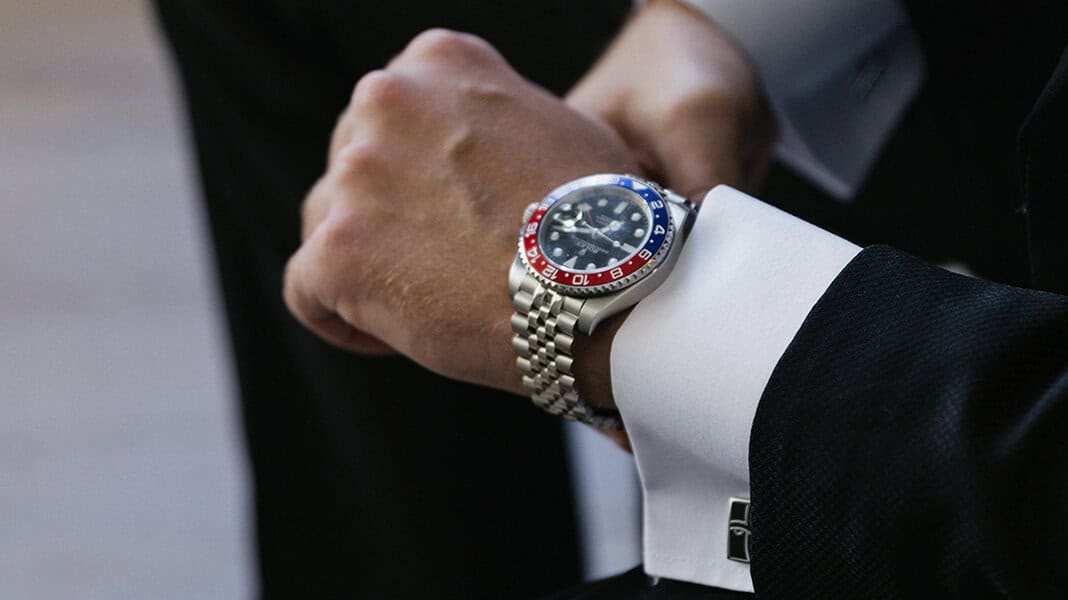
The Modern Man’s Guide to Choosing the Right Timepiece
A well-chosen timepiece has always been more than a way to tell time. For many men, it is one of the few accessories that can communicate taste, discipline, confidence, and personal identity without saying a word. Unlike seasonal fashion pieces that come and go, a watch has a lasting presence. It sits close to the wrist, becomes part of a daily routine, and often reflects how a man sees himself: practical, refined, understated, bold, technical, or quietly sophisticated.
In modern menswear, the role of the watch has become even more important. As wardrobes become cleaner and more intentional, accessories carry greater weight. A simple outfit can feel unfinished without the right details, and a timepiece is often the detail that brings everything together. Whether paired with a tailored jacket, a fitted knit, a casual overshirt, or a weekend travel outfit, the right watch can add structure, polish, and character.
The best timepiece is not always the most expensive or the most visually dramatic. It is the one that fits naturally into a man’s lifestyle, wardrobe, and sense of proportion. A watch should feel comfortable on the wrist, visually balanced with clothing, and appropriate for the settings in which it will be worn. When chosen carefully, it becomes less of an accessory and more of a personal signature.
Why Timepieces Still Matter in Modern Men’s Style
Digital devices may have changed how people check the time, but they have not replaced the emotional value of a mechanical-inspired watch. In fact, the rise of minimal technology in personal style has made traditional timepieces feel even more distinctive. A phone is functional, but it does not carry the same sense of craftsmanship, proportion, or personal taste. A watch remains one of the rare style objects that combines engineering with self-expression.
For the modern man, choosing a timepiece is rarely just about function. It is about visual balance, wrist presence, material quality, dial clarity, and how naturally the piece fits into daily life. Some men prefer clean, dress-oriented designs that work well with formal outfits. Others gravitate toward sportier silhouettes, technical bezels, skeleton-style dials, or modern case materials that feel more architectural. The best choice is not always the loudest one; it is the one that feels intentional.
This is why watch culture continues to attract men who appreciate detail. Case finishing, dial symmetry, bracelet comfort, and movement presentation all contribute to the overall experience. Even subtle differences in proportion can change how a watch feels on the wrist. A well-designed timepiece does not need to dominate an outfit. It simply adds confidence, rhythm, and refinement to the way a man presents himself.
The Rise of Craftsmanship-Focused Watch Culture
One of the most interesting shifts in modern watch culture is the growing focus on craftsmanship rather than status alone. Today’s enthusiasts are more informed than ever. They study case shapes, movement architecture, dial layouts, materials, and finishing techniques. Instead of choosing a timepiece only because it is recognizable, they want to understand why it looks balanced, why it wears comfortably, and what kind of engineering discipline sits behind it.
This more educated approach has expanded interest in the evolving world of 1:1 horological craftsmanship, where collectors pay close attention to proportion, mechanical detail, finishing quality, and the visual language of modern timepieces. The appeal is not simply about appearance. It is about understanding how design, engineering, and wearability come together to create a convincing and refined wrist presence.
For men who care about style, this shift makes sense. A good watch should feel like a considered object, not just a label. It should match the wearer’s habits, clothing choices, and lifestyle. A technical watch may feel natural for someone who prefers utility, travel, and activewear-inspired outfits. A slim dress watch may suit someone who leans toward tailoring and understated elegance. A bold modern design may work best for a man who sees accessories as part of his personality.
How to Choose a Watch That Fits Your Lifestyle
The first rule of choosing a timepiece is to understand how it will actually be worn. A watch that looks impressive in a photograph may not always fit a real wardrobe. Men who dress casually most days may benefit from a versatile piece with a clean dial, moderate case size, and comfortable strap or bracelet. Those who often wear suits or smart-casual outfits may prefer slimmer profiles, polished accents, and more restrained design language.
For Everyday Wear
An everyday watch should be easy to wear, easy to style, and comfortable enough to remain on the wrist for long periods. This usually means balanced proportions, reliable materials, and a design that does not feel too formal or too aggressive. Stainless steel, brushed metal finishes, black or navy dials, and simple markers often work well because they can move between casual and smart-casual settings without feeling out of place.
The everyday watch is often the most important piece in a man’s rotation because it receives the most wrist time. It should work with denim, knitwear, chinos, jackets, sneakers, boots, and simple tailoring. If a watch only looks good with one type of outfit, it may be too narrow for daily use. The best everyday timepieces have enough character to feel personal, but enough restraint to remain versatile.
For Formal and Smart-Casual Outfits
Formal dressing calls for a different kind of restraint. A watch worn with tailoring should not fight against the outfit. Slimmer cases, cleaner dials, leather straps, polished accents, and understated color combinations usually work best. The goal is harmony. A watch should slide easily under a cuff, complement the fabric and fit of the clothing, and add quiet refinement rather than unnecessary visual weight.
Smart-casual dressing offers more flexibility. A steel bracelet, textured dial, or slightly sportier case can work well with blazers, overshirts, wool trousers, or dark denim. This is where many men find their preferred balance between elegance and practicality. The watch can feel refined without becoming overly formal, making it suitable for dinners, meetings, travel, and weekend occasions.
For Sport, Travel, and Weekend Style
Sport-oriented timepieces are ideal for men who prefer a more active or functional wardrobe. Rubber straps, stronger case profiles, clearer bezels, and higher-contrast dials can add utility and presence. These watches work well with casual clothing, travel outfits, technical jackets, polos, lightweight outerwear, and relaxed weekend looks. They communicate energy and practicality while still offering a sense of design.
For travel, comfort becomes especially important. A watch that feels too heavy or too delicate may not be ideal for long days, changing climates, or active movement. Lightweight materials, secure bracelets, durable straps, and easy readability make a major difference. A travel-friendly timepiece should feel dependable, not precious. It should support the day rather than demand constant attention.
Dial Color, Strap Choice, and Visual Balance
Color also matters. Black, silver, grey, navy, and white dials are usually the easiest to style because they work across many outfits. Green, blue, skeleton, or textured dials can add personality, but they should still complement the rest of the wardrobe. The goal is not to match everything perfectly, but to create visual harmony. A watch should feel like it belongs to the outfit, not like it was added as an afterthought.
Material choice is equally important. Stainless steel offers versatility and durability. Ceramic can feel modern and technical. Titanium provides lightweight comfort. Rubber straps make a watch more casual and sport-oriented, while leather adds warmth and classic appeal. Bracelet design also changes the entire character of a piece. A polished bracelet can feel dressier, while a brushed or integrated bracelet often gives a more contemporary presence.
Leather, Bracelet, or Rubber Strap?
A leather strap is often the easiest way to make a watch feel refined. Brown leather works well with earth tones, navy tailoring, suede shoes, and smart-casual wardrobes. Black leather feels sharper and more formal, especially when paired with darker clothing or evening looks. Over time, leather develops character, which can make the watch feel more personal and lived-in.
A metal bracelet gives a watch more structure and visual strength. It tends to feel more versatile for men who move between business casual, travel, and weekend dressing. Rubber straps, by contrast, create a sportier impression and are best suited to modern casual outfits, summer wear, active settings, and technical designs. Choosing the right strap is not just about comfort; it changes the identity of the watch.
Understanding Quality Beyond the Surface
A refined timepiece is not defined by appearance alone. The more a man learns about watches, the more he begins to notice hidden details. The way the hands align, how the markers sit on the dial, how the case edges are finished, how the crown feels when adjusted, and how comfortably the bracelet wraps around the wrist all contribute to the sense of quality. These are details that may not be obvious at first glance, but they shape long-term satisfaction.
This is also why many collectors research 1:1 Swiss-grade timepieces before making a decision. The phrase speaks to a broader interest in precision, structural accuracy, and craftsmanship standards rather than simple visual similarity. Buyers increasingly want to understand what separates a basic fashion watch from something that feels more mechanically convincing and better finished.
Quality should be judged through experience as much as specifications. A watch may have attractive numbers on paper, but if it feels awkward, oversized, poorly balanced, or visually inconsistent, it will not become a reliable part of daily style. The best timepieces feel natural after repeated wear. They do not distract. They integrate into the rhythm of daily life and gradually become part of a man’s personal uniform.
Proportion Matters More Than Size Alone
Many men make the mistake of choosing a watch based only on case diameter. Size matters, but proportion matters more. Lug shape, case thickness, bezel width, dial openness, bracelet taper, and wrist curvature all affect how a watch actually wears. A watch can look large on paper but balanced on the wrist, or it can appear moderate in size yet feel bulky because of thickness or poor case geometry.
The best approach is to consider the watch as part of the entire outfit. A thick sport-style case may work with casual clothing but feel awkward with a slim jacket cuff. A very thin dress piece may look elegant with tailoring but feel too delicate for everyday casual wear. Understanding proportion helps a man choose watches that support his style instead of interrupting it.
Building a Small but Versatile Watch Collection
Not every man needs a large watch collection. In many cases, three carefully chosen styles are enough to cover most situations. The first is an everyday watch—versatile, comfortable, and easy to pair with casual or smart-casual clothing. The second is a dressier piece, something cleaner and more refined for dinners, events, meetings, or formal occasions. The third can be a bolder or more technical watch that reflects personality, whether through sport design, skeleton architecture, unique materials, or stronger wrist presence.
This approach is practical because it prevents unnecessary overlap. Instead of owning multiple watches that all serve the same purpose, each piece has a role. The everyday watch becomes reliable. The dress watch adds elegance. The statement piece brings energy and individuality. Together, they create a balanced rotation that supports different aspects of modern life.
A well-rounded collection also makes styling easier. Men often underestimate how much a watch changes the mood of an outfit. A steel bracelet watch can sharpen a simple T-shirt and jeans. A leather strap can soften tailoring. A sportier design can make weekend clothing feel more intentional. Once a man understands these small adjustments, watches become more than accessories; they become tools for shaping personal presentation.
The Future of Men’s Timepiece Style
The future of men’s watch style will likely be shaped by a balance between tradition and innovation. Classic proportions will always have a place, but modern buyers are increasingly open to new materials, sharper case architecture, textured dials, and bolder mechanical expressions. The most successful designs will be those that combine visual confidence with real wearability.
Men are also becoming more selective. They do not simply want something expensive-looking; they want something that feels considered. They want a timepiece that works with their wardrobe, supports their lifestyle, and offers a sense of craft. This shift reflects a wider movement in menswear: fewer things, better chosen, worn with more intention.
Ultimately, a timepiece remains one of the most personal objects a man can own. It is seen often but rarely explained. It can be admired for its design, appreciated for its mechanics, and valued for how it makes the wearer feel. In a world where style is increasingly about subtle details, the right watch still has the power to say everything without saying too much.