How to Create a Comfortable Home Office During Summer
Working from home during summer sounds ideal until your office starts feeling hot, stuffy, and difficult to focus in. Rising outdoor temperatures, direct sunlight, and heat from electronics can quickly turn a productive workspace into an uncomfortable environment. In many parts of the US, summer heat waves now last longer and arrive earlier, making home office comfort more important than ever.
A cooler workspace does more than improve comfort. It can help reduce fatigue, improve concentration, and make long working hours easier to manage. The good news is that creating a comfortable summer home office does not always require expensive renovations. Small adjustments to airflow, lighting, insulation, and cooling systems can make a noticeable difference.
Why Home Offices Get So Hot During Summer
Understanding the root causes of heat buildup is the first step in improving comfort. Most home offices are not originally designed for all-day use, which means they often lack proper cooling balance, ventilation, and insulation support during peak summer conditions.
Direct Sunlight Raises Indoor Temperatures
Sunlight is one of the fastest ways a room overheats, especially in spaces with large or west-facing windows. When sunlight passes through glass, it converts into heat energy that gets trapped indoors, gradually raising both air and surface temperatures throughout the day. This effect is most noticeable in the afternoon when outdoor temperatures peak.
Over time, even a moderately sunny room can become several degrees warmer than other areas of the house. Without proper shading, this heat accumulates continuously and forces any cooling system—such as a mini split ac—to work harder, increasing overall energy consumption.
Electronics Generate Continuous Heat
A home office typically contains multiple heat-generating devices such as computers, monitors, routers, and charging equipment. While each device may seem insignificant individually, together they create a constant internal heat load that builds up over long working hours.
In smaller rooms, this heat has limited space to dissipate, which leads to a gradual increase in perceived temperature. The longer devices remain active, the more noticeable this effect becomes, especially during video calls or heavy computing tasks.
Poor Airflow Traps Warm Air Indoors
Air circulation plays a major role in maintaining comfort, but many home offices lack proper ventilation pathways. Without consistent airflow, warm air becomes trapped near ceilings and corners, creating a stagnant and stuffy feeling even when the temperature is not extremely high.
This issue is often worse in closed-door office setups, where air exchange with the rest of the home is limited. Over time, this leads to uneven cooling and reduced comfort during long working hours.
Simple Ways to Keep Your Home Office Cool Naturally
Before investing in cooling equipment, natural heat-control strategies can significantly reduce indoor temperature and improve comfort levels throughout the day.
Block Heat Before It Enters
Preventing heat from entering the room is more effective than trying to remove it later. Window treatments such as blackout curtains, solar shades, or reflective films can reduce heat gain by limiting direct sunlight penetration during peak hours.
Keeping blinds closed during the hottest part of the afternoon helps stabilize indoor temperatures and reduces the workload on any cooling system already in use. Over time, this simple step can noticeably lower daily heat buildup.
Improve Airflow Throughout the Room
Air movement helps regulate temperature perception and prevents warm air from stagnating in enclosed spaces. Ceiling fans or portable fans can improve circulation by redistributing cooler air more evenly across the room. Opening windows during early morning or evening hours also helps release trapped warm air naturally. This creates a cooling cycle that reduces reliance on mechanical cooling systems during the day.
Reduce Heat From Lighting and Electronics
Lighting and electronics are often overlooked heat sources in home offices. Traditional incandescent bulbs generate more heat compared to LED lighting, which makes LED upgrades a simple efficiency improvement. Turning off unused devices during breaks also reduces unnecessary heat buildup. Even standby electronics can contribute to gradual temperature increases in smaller rooms over time.
Choosing the Right Cooling System for a Home Office
When natural cooling methods are not enough, selecting the right cooling system becomes essential for maintaining consistent comfort during summer.
Portable Air Conditioners for Flexible Spaces
Portable air conditioners are a flexible option for renters or temporary office setups. They require minimal installation and can be moved between rooms as needed, making them a practical short-term solution.They often produce more noise and consume more electricity compared to permanent systems. They are best suited for occasional use rather than full-day work environments.
Window AC Units for Small Offices
Window air conditioners are a cost-effective solution for cooling small to medium-sized home offices. They can quickly reduce room temperature and are relatively easy to install in standard window frames. However, they may block natural light and alter room aesthetics. In addition, their cooling coverage is limited to a single enclosed space, making them less suitable for larger or open layouts.
Why Mini Split Systems Are Ideal for Home Offices
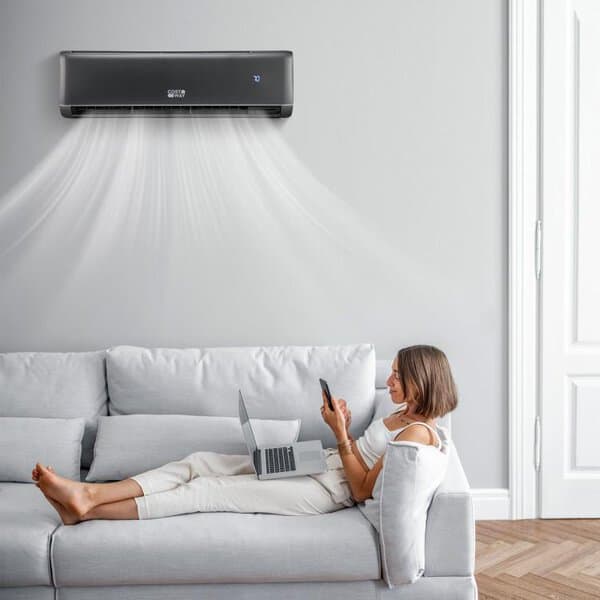
Mini split systems, also known as mini split air conditioners, are increasingly popular for dedicated home office spaces because they provide quiet, consistent, and energy-efficient cooling without requiring ductwork. Unlike portable or window units, they operate with inverter technology that adjusts cooling output dynamically based on room temperature.
For smaller workspaces, a 9000 BTU mini split is often the most suitable option, especially for rooms around 150–350 sq ft. It provides enough cooling capacity to maintain stable comfort without excessive energy consumption, making it ideal for compact home offices, studio rooms, or converted bedrooms used for full-time work.
This allows homeowners to cool only the office instead of the entire house, which can significantly reduce overall energy consumption during summer months. Their compact indoor units also integrate seamlessly into modern workspace designs without taking up floor or window space.
Design a More Comfortable Summer Workspace
Cooling efficiency is not only about temperature control but also about how the workspace is physically arranged and designed.
Position Your Desk Carefully
Desk placement has a direct impact on comfort levels during hot weather. Positioning your desk away from direct sunlight reduces glare on screens and prevents localized overheating near your workspace. A well-positioned desk also helps improve airflow around the seating area, making the space feel naturally cooler without additional energy use.
Choose Breathable Furniture Materials
Furniture materials influence how heat is retained and perceived during long working hours. Mesh chairs and breathable fabrics allow better airflow around the body, reducing heat retention and improving comfort during extended work sessions.Heavier upholstered materials tend to trap heat, making them less suitable for summer-focused work environments.
Add Plants for a Fresher Atmosphere
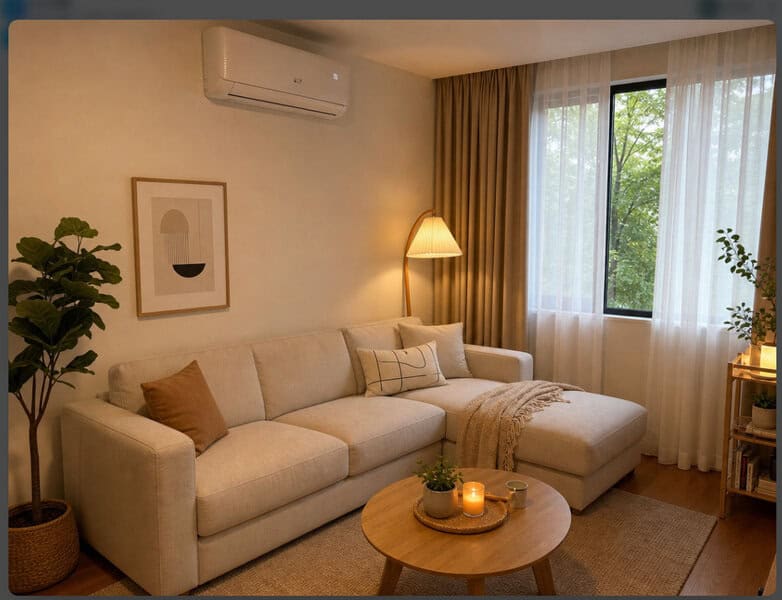
Indoor plants contribute to a more refreshing workspace environment by improving visual comfort and slightly increasing humidity balance. While their cooling effect is indirect, they help create a more relaxed and breathable atmosphere that supports focus. Over time, plants also improve the overall aesthetic of the workspace, making it feel less rigid and more natural.
Smart Energy-Saving Tips for Summer
Maintaining a cool home office should not lead to unnecessary energy consumption. Smart usage habits help balance comfort and electricity costs.
Use Smart Thermostats or Timers
Smart thermostats allow cooling systems to operate based on occupancy and schedule patterns. This prevents unnecessary cooling when the office is not in use, reducing wasted energy during non-working hours. Over time, scheduled cooling can significantly improve overall energy efficiency without sacrificing comfort during active working periods.
Seal Air Leaks Around Windows and Doors
Small gaps around windows and doors can allow cool air to escape while letting warm air enter the room. This forces cooling systems to work harder and longer to maintain stable temperatures.Sealing these gaps improves overall insulation efficiency and helps maintain consistent indoor comfort with less energy use.
Work With Natural Temperature Cycles
Outdoor temperatures fluctuate throughout the day, and aligning your workspace habits with these changes can improve efficiency. Opening windows in the morning allows cooler air to enter, while closing blinds before peak heat helps retain that cool air for longer periods. This natural temperature management reduces dependency on mechanical cooling during the most energy-intensive hours of the day.
Final Thoughts
Creating a comfortable home office during summer involves more than simply lowering the temperature. A combination of better airflow, natural cooling strategies, efficient equipment, and thoughtful workspace design can significantly improve comfort and productivity.
For homeowners who regularly work from home, investing in an efficient cooling solution such as a mini split system can provide long-term comfort while helping reduce energy waste. Even small changes, from rearranging furniture to blocking sunlight, can make your workspace feel cooler and more enjoyable during the hottest months of the year.