Barber and Hairstylist Workers’ Comp: The Hidden Occupational Hazards of the Grooming Industry
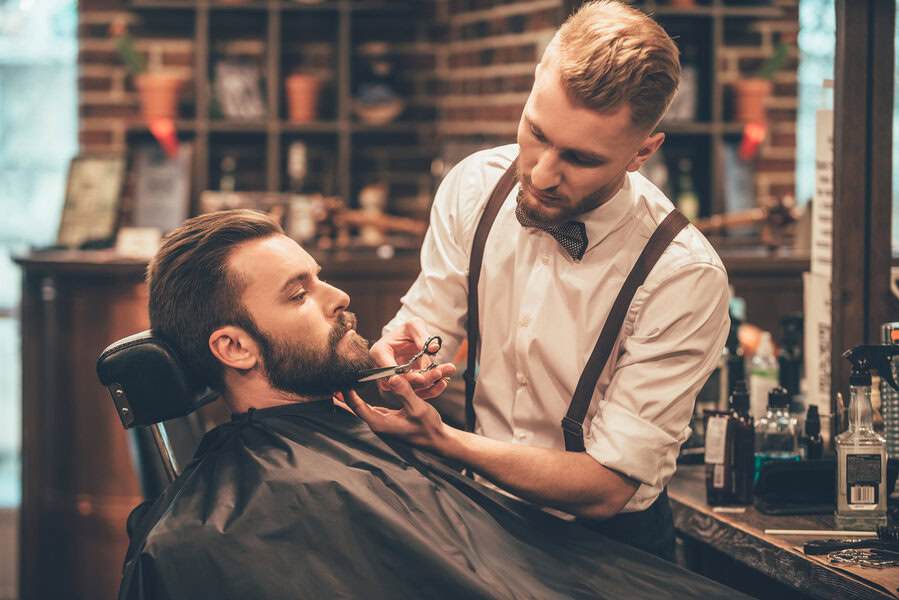
Every guy who has settled into a barber’s chair for a fresh fade or a hot-towel shave knows the feeling; it’s one of the more grounding rituals in a man’s routine. But behind the clippers, shears, and carefully stocked shelves of product lies a physically demanding profession filled with genuine occupational hazards that most clients never stop to consider.
For barbers and hairstylists, what looks effortless from the chair involves long hours on their feet, relentless repetitive hand movements, and daily skin and lung exposure to chemicals potent enough to require safety data sheets. The grooming industry is quietly one of the more injury-prone fields in personal services, and workers in this trade deserve to know their rights when something goes wrong on the job.
The Physical Toll Behind Every Perfect Cut
Barbers and cosmetologists spend the majority of their shifts standing, often working back-to-back clients without meaningful breaks between. That constant time on their feet, combined with the awkward angles required for precision cutting and styling, creates a perfect environment for chronic musculoskeletal injuries.
According to the U.S. Bureau of Labor Statistics, barbers, hairstylists, and cosmetologists represent a workforce numbering in the hundreds of thousands, all of them exposed daily to injuries that accumulate quietly over the course of a career.
Common physical conditions in the industry include:
- Carpal tunnel syndrome from repetitive clipper and scissor use
- Tendonitis in the wrists, elbows, and shoulders
- Chronic lower back pain from prolonged standing and leaning over clients
- Varicose veins caused by extended time on hard floors
- Slip-and-fall accidents on wet surfaces near shampoo bowls and sinks
Chemical Hazards: The Risk No One Talks About
Beyond physical strain, the air and surfaces inside a salon or barbershop carry hazards that most patrons never think twice about. Hair dyes, perms, bleach solutions, relaxers, and styling aerosols contain compounds capable of causing serious health consequences with repeated exposure.
The Occupational Safety and Health Administration (OSHA) has identified specific chemical threats common in the salon environment, including formaldehyde in certain smoothing treatments, ammonia, persulfates, and a range of solvents. Respiratory conditions from aerosol inhalation and contact dermatitis from repeated skin exposure are well-documented occupational risks in this field.
The National Institute for Occupational Safety and Health (NIOSH) has published guidance specifically on occupational skin exposure, noting that chemical dermatitis remains one of the most underreported workplace injuries across all industries, and the grooming sector is no exception.
Workers’ Compensation: What Barbers and Stylists Need to Understand
If you work in a barbershop or salon and sustain an injury, whether it’s an acute fall or a repetitive strain condition that’s been building for months, you may have a right to workers’ compensation benefits. Those benefits can cover medical treatment, lost wages during recovery, and rehabilitation costs.
Workers’ comp claims in the grooming industry are frequently complicated by employment classification disputes. Many barbers and stylists operate as independent contractors renting chair space rather than as traditional W-2 employees. This distinction matters significantly for eligibility, but it isn’t always as clear-cut as shop owners suggest.
If a shop controls your hours, directs how and when you work, sets your pricing, or requires you to use specific products, you may legally qualify as an employee regardless of what any contract says. That reclassification can open access to workers’ compensation and other protections you didn’t know you had.
Central Florida workers should consult skilled professionals in Orlando to understand their classification and options, especially when employers contest status or delay claim filing.
Repetitive Stress: The Quiet Career-Ender
Unlike a sudden cut or a fall, repetitive stress injuries develop gradually, sometimes over years. By the time a stylist develops carpal tunnel syndrome severe enough to require surgery, the connection to their occupation may feel harder to prove.
This is why early documentation matters. Any barber or stylist experiencing wrist pain, shoulder stiffness, or hand numbness should see a physician promptly and clearly communicate that they believe the condition is work-related. That medical record becomes the foundation of any future workers’ compensation claim.
Style Culture Deserves Safe Working Conditions
The barbershop is more than a business; it’s a community anchor, a rite of passage, and a craft passed down through generations. The men who count on their barbers for a weekly ritual and the professionals who spend their careers behind the chair both benefit when the industry takes occupational safety seriously.
Shop owners should invest in ergonomic tools, proper ventilation systems, anti-fatigue flooring, and consistent chemical safety training. Workers should familiarize themselves with their state’s workers’ compensation system and have a plan before something goes wrong.