NJ Breathalyzer Refusal: What Happens When You Say No (And Whether It Actually Helps)
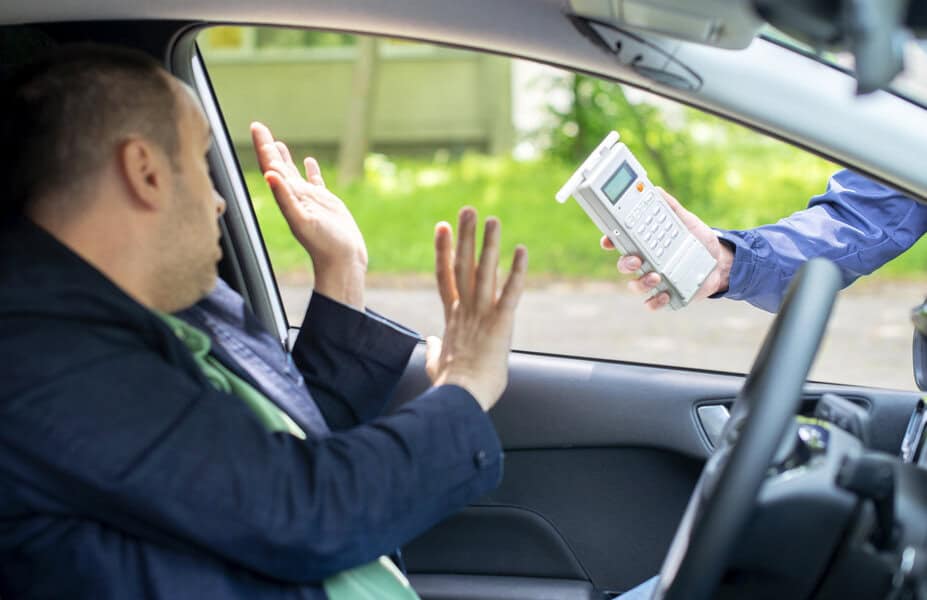
You’re at a sobriety checkpoint or pulled over on Route 80 after a night out. The officer asks you to blow into a breathalyzer. Your mind races. Should you refuse? Will saying no protect you from a DWI charge? It’s a split-second decision that could affect your license, your wallet, and your future in ways you might not expect.
The truth is, many drivers believe refusing a breathalyzer test is a smart legal move. They assume that without concrete evidence of their blood alcohol content, prosecutors won’t have enough to convict them. But New Jersey law doesn’t work that way. In fact, refusing the test can sometimes make things worse than simply taking it.
New Jersey’s Implied Consent Law: You Already Said Yes
Here’s what most drivers don’t realize: when you got your New Jersey driver’s license, you already agreed to submit to chemical breath testing if an officer suspects you’re driving while intoxicated. This is called “implied consent,” and it’s built into the state’s motor vehicle laws.
According to the New Jersey Division of Highway Traffic Safety, refusing to take a breathalyzer isn’t a get-out-of-jail-free card. It’s a separate offense with its own penalties, completely independent of whether you’re actually convicted of DWI. That means you could face consequences for refusal even if you’re later found not guilty of drunk driving.
The state can’t physically force you to blow into the machine, but they can and will penalize you for declining. And those penalties aren’t minor inconveniences.
The Real Penalties for Saying No
If you refuse a breathalyzer test in New Jersey, you’re looking at mandatory penalties that often mirror or exceed those for a first-time DWI offense. For a first refusal, expect a license suspension ranging from seven months to one year. You’ll also face fines between $300 and $500, and you’ll be required to install an ignition interlock device in your vehicle.
The New Jersey Motor Vehicle Commission outlines these penalties clearly: refusal isn’t a way out. It’s trading one set of consequences for another, often worse. Second and third refusals carry even harsher penalties, including longer suspensions and higher fines.
Beyond the immediate legal penalties, a refusal can complicate your defense strategy. Prosecutors will argue to the jury that you refused because you knew you were over the legal limit. Even without a BAC number, they’ll use your refusal as evidence of guilt a consciousness of guilt, in legal terms.
Does Refusing Ever Actually Help Your Case?
This is the million-dollar question. In theory, refusing the breathalyzer means prosecutors don’t have a specific BAC reading to present to a jury. Without that concrete number, say, 0.12% or 0.15%, some defendants believe their case becomes harder to prove.
And occasionally, that’s true. DWI attorneys in Parsippany may be able to challenge the state’s case more effectively without a definitive BAC reading, particularly if the arresting officer’s observations were limited or inconsistent. Field sobriety tests, officer testimony, and dashcam footage become the primary evidence, and those can sometimes be disputed more successfully than a breathalyzer reading.
But here’s the reality check: New Jersey prosecutors don’t need a breathalyzer result to convict you of DWI. They can and regularly do win DWI cases based solely on officer observations, field sobriety test performance, and your behavior at the scene. Slurred speech, bloodshot eyes, the smell of alcohol, and failed balance tests all of these can be enough.
So while refusing might eliminate one piece of evidence, it simultaneously creates another: the fact that you refused, which juries often interpret as an admission of guilt.
The Court Will Hear About Your Refusal
One critical fact many drivers overlook: your refusal to take the breathalyzer test will be admitted as evidence in court. The judge or jury will hear that you declined, and the prosecutor will use it to suggest you knew you were intoxicated.
Courts across the country have consistently upheld the admissibility of refusal evidence. According to the National Highway Traffic Safety Administration, implied consent laws exist specifically to deter refusals and ensure law enforcement has the tools needed to identify and prosecute impaired drivers. The penalties for refusal are designed to be severe enough that most drivers comply.
From a practical standpoint, this means you’re not hiding anything by refusing. You’re just changing the nature of the evidence against you and potentially making yourself look more guilty in the process.
What You Should Actually Do
If you find yourself in this situation, there’s no universally “right” answer; every case depends on individual circumstances. But the data is clear: refusing a breathalyzer in New Jersey comes with automatic, severe penalties that often exceed those for a first-time DWI offense, and it doesn’t prevent prosecution.
The best approach is to understand your rights before you’re ever in this position. Know that refusal has consequences. Know that implied consent is real. And know that if you’re facing DWI charges, whether you took the test or refused it, the penalties are serious enough that you’ll want experienced legal guidance to navigate the process.
The myth that refusing a breathalyzer protects you is just that: a myth. In New Jersey, saying no doesn’t make the problem go away. It often just creates a different, equally serious problem. The decision you make in those few seconds on the side of the road can follow you for months or years. Make it an informed one.