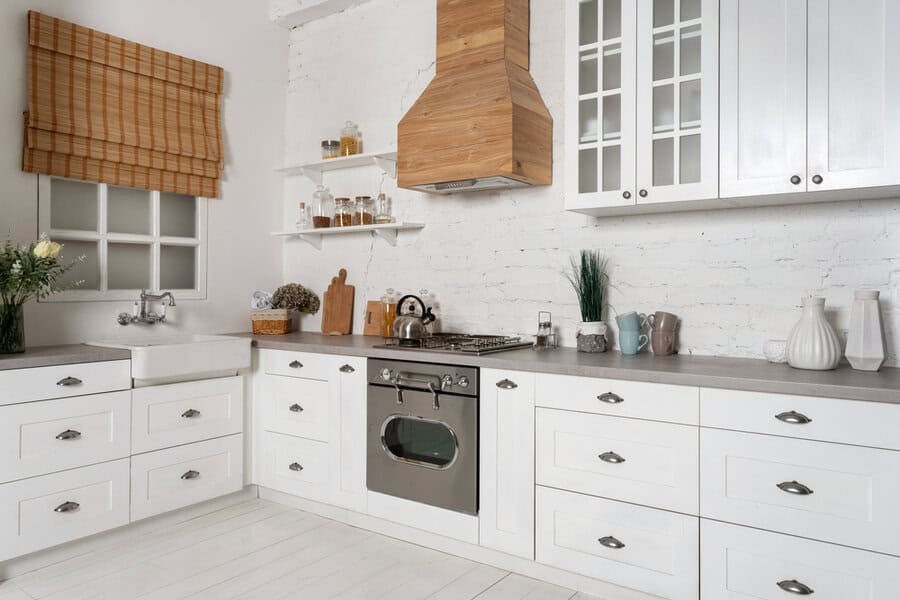
Home-Staging: Make an Older Stove Look New for Showings
To make an older stove look new for home showings, start with a deep clean, then refresh the parts that show the most wear—grates, drip pans, and knobs. Buff away light discoloration, replace inexpensive damaged knobs, and keep the cooktop spotless between showings with a removable protector. In most cases, you don’t need to replace the entire appliance to make it look great in listing photos.
Buyers judge a kitchen quickly, and the stove is often one of the first things they notice. A grimy, rusted, or worn range can suggest deferred maintenance, even if it works perfectly. A clean, well-maintained stove, on the other hand, helps reinforce the impression that the entire home has been cared for.
That impression matters. According to the National Association of Realtors’ 2023 Profile of Home Staging, the kitchen is staged in 81% of homes and ranks as the third most important room for buyers, behind the living room and primary bedroom. You don’t necessarily need a brand-new stove—you simply need the existing one to look its best.
Why Does the Stove Matter So Much in Listing Photos?
The stove is one of the biggest visual focal points in a kitchen, especially in listing photos. Even in wide-angle shots, buyers notice scorched burner rings, rusted grates, stained cooktops, and cracked control knobs. In smaller kitchens, the stove often sits prominently alongside the countertops and backsplash, making its condition influence the appearance of the entire room.
Beyond appearance, buyers also associate a clean cooking area with overall home maintenance. A neglected stove can make them wonder what other maintenance has been overlooked.
According to the National Fire Protection Association, cooking is the leading cause of home fires, and ranges or cooktops are involved in 53% of home cooking fires. While buyers aren’t performing an inspection during a showing, a clean, well-maintained cooking area naturally inspires more confidence.
Home staging also delivers measurable benefits. The National Association of Realtors found that 48% of sellers’ agents reported staging reduced time on market, while one in five agents said staging increased offers by 1% to 5%.
Deep-Clean the Cooktop First
Always start with a thorough cleaning before considering repairs or replacements.
Remove grates, burner caps, and drip pans so you can reach the entire cooking surface. Apply a quality degreaser or a baking soda paste and allow it to sit long enough to loosen baked-on grease before scrubbing.
Use the right cleaner for your stove’s finish:
- Glass or ceramic cooktops: Use a dedicated cooktop cream and a flat razor scraper to safely remove burned residue.
- Stainless steel: Apply stainless steel polish and wipe with the grain to remove fingerprints and restore shine.
- Chrome drip pans: Soak them before scrubbing with a non-abrasive pad.
Don’t overlook the small details. Clean the seams where the cooktop meets the countertop, the control panel, and both sides of the oven door glass. These areas often collect grime that makes an otherwise clean stove look older than it is.
Refresh Grates and Replace Worn Knobs
Grates and knobs have an outsized impact on how old a stove looks.
Cast-iron grates often look beyond saving but can usually be restored with a deep cleaning. Remove grease, treat light rust with a baking soda paste or a vinegar soak, dry thoroughly, and wipe on a very thin layer of cooking oil to restore an even appearance and prevent flash rust.
Control knobs are one of the least expensive upgrades you can make. Replacing cracked, melted, faded, or missing knobs instantly improves the stove’s appearance for very little cost. Whenever possible, purchase replacements that match your stove’s model for the most original-looking finish.
If grates are warped, heavily rusted, or chipped down to bare metal, replacement is generally a better choice than trying to restore them.
Minimize Scratches and Discoloration
Most cosmetic wear can be improved, although not every flaw can be completely hidden.
For brushed stainless steel, scratch repair kits can reduce the appearance of light surface scratches when used in the direction of the grain. Severely blotchy finishes may also benefit from appliance refinishing products or stainless-look films if applied carefully.
Glass cooktops often develop discoloration around burners from repeated heating. Dedicated cooktop cleaners and a razor scraper remove much of this buildup. However, etched white or cloudy marks within the glass are permanent and cannot be polished away.
If permanent damage remains, focus on the overall presentation of the kitchen. Clean countertops, attractive lighting, and minimal decor naturally draw buyers’ attention toward the space as a whole rather than one cosmetic flaw.
How Do You Keep the Stove Photo-Ready Through Showings?
You keep a stove photo-ready by protecting the just-cleaned surface so it survives the weeks of showings between the photoshoot and closing. Sellers who still live in the home keep cooking, and one greasy dinner undoes an hour of polishing right before a Saturday open house.
A removable stovetop protector is the simplest fix: it sits over the cooktop, catches splatter, and lifts off in seconds before a showing so the surface underneath stays pristine for every walk-through. Custom-cut versions matter for staging because a flat, model-sized sheet looks intentional in photos rather than like a loose mat. Brands such as Stove Shield make protectors sized to specific ranges, and you can see the made-to-fit options here.
Pair the protector with a quick pre-showing routine: wipe the cooktop, straighten the knobs, hide dish soap and clutter, and turn on the range light. The point isn’t to pretend the stove is new — it’s to present it at its honest best, consistently, for every buyer who walks in.
Key Takeaways
- A clean stove helps buyers perceive the entire kitchen as well maintained.
- Deep-clean the cooktop before spending money on replacements.
- Restore cast-iron grates whenever possible, but replace heavily damaged ones.
- Replacing worn control knobs is one of the highest-impact, lowest-cost upgrades.
- Stainless scratches can often be reduced, but etched glass cooktops cannot be fully repaired.
- Protect the cleaned surface between showings to keep it consistently photo-ready.
Frequently Asked Questions
How do you make an old stove look new?
Deep-clean every surface, polish the cooktop using products designed for its finish, restore or replace worn grates, and install new control knobs if the originals are damaged. Most older stoves can look significantly newer without being replaced.
How do you make stove grates look new?
Remove grease thoroughly, treat light rust with baking soda or vinegar, dry the grates completely, and apply a thin coat of cooking oil to restore an even appearance. Replace grates that are warped or severely rusted.
Can replacing stove knobs refresh an old range?
Yes. Replacing cracked, faded, or missing knobs is one of the fastest and least expensive ways to improve the appearance of an older stove. Matching the original model provides the cleanest result.
Should you replace the stove before selling your home?
Usually not. A deep cleaning, refreshed grates, and new control knobs often deliver most of the visual improvement at a fraction of the cost of a new appliance. Consider replacing the stove only if it’s broken, severely damaged, or noticeably detracts from an otherwise updated kitchen.