EDC Mechanical Pencil: Precision for Architects
EDC mechanical pencils are essential for architects who need precision and convenience. They are made for daily use, offering a dependable tool for sketching, drafting, and detailed design. EDC mechanical pencils combine ease of use with the accuracy needed for architectural tasks. Architects often rely on tools that offer both functionality and portability. An EDC mechanical pencil fits this need perfectly, ensuring that architects can make precise lines and detailed drawings without the hassle of sharpening or replacing traditional pencils. This precision is crucial in architectural work, where even the smallest error can lead to significant issues in design and construction.
A Brief History of Mechanical Pencils
The history of mechanical pencils shows the innovation in writing tools over time. Mechanical pencils were invented in the 19th century to avoid constant sharpening. This led to the first mechanical pencil, which used a mechanism to advance the lead.
As technology progressed, mechanical pencils became more refined, offering features like adjustable lead sizes and comfortable grips. These advancements have made them an indispensable tool for professionals who require accuracy and consistency in their work, such as architects.
Why Choose a Mechanical Pencil for Architecture?
Mechanical pencils are a staple in the toolkit of architects, and for good reason. Their precision and reliability are key for architectural design. Here are some reasons architects prefer mechanical pencils:
- Precision: Mechanical pencils offer consistent line widths, which is crucial for detailed architectural drawings. Unlike traditional pencils, they don’t require sharpening, ensuring a steady flow of precise lines.
- Consistency: The lead in mechanical pencils doesn’t wear down unevenly, which means the line quality remains uniform throughout the drawing process.
- Ease of Use: With a simple click, more lead is available, making mechanical pencils convenient and efficient. This feature is especially beneficial during intense design sessions where time is of the essence.
- Functionality: Mechanical pencils come with various lead sizes, allowing architects to choose the perfect thickness for different types of drawings. This versatility is not as easily achieved with traditional pencils.
Overall, the functionality and precision of mechanical pencils make them a preferred choice for architects who need accuracy in their work.
Features of the Best Mechanical Pencil for Architects
When choosing a mechanical pencil for architecture, consider these key features for precision and comfort:
- Lead Size: The lead size is crucial for achieving the desired line thickness. Common sizes range from 0.3mm to 0.9mm, with finer leads ideal for detailed work and thicker leads for bolder lines.
- Grip Comfort: A comfortable grip is essential for long hours of drawing. Look for pencils with ergonomic grips that reduce hand fatigue and enhance control.
- Durability: Architects need tools that can withstand regular use. Durable materials such as metal or high-quality plastic ensure the pencil lasts longer.
- Style and Preferences: Personal style and drawing preferences play a role in choosing the right pencil. Some may prefer a sleek, modern design, while others might opt for a classic look.
By considering these features, architects can select a mechanical pencil that not only complements their drawing style but also enhances their efficiency and comfort during projects.
Cool and Ergonomic Mechanical Pencils: Style Meets Comfort
In the world of architecture, functionality and style often go hand in hand. This is especially true when it comes to mechanical pencils, where cool mechanical pencils not only offer precision but also aesthetic appeal. Architects, who spend countless hours sketching and designing, benefit greatly from tools that blend style with comfort.
Cool mechanical pencils make a statement. They come in sleek designs and vibrant colors, allowing architects to express their personal style while maintaining professional functionality. But style isn’t everything; the ergonomic design of these pencils plays a crucial role in enhancing user comfort and efficiency.
Ergonomics is about designing tools that fit the user, reducing strain and increasing productivity. Features like comfortable grips, balanced weight distribution, and adjustable lead advancement mechanisms ensure that architects can work with precision without sacrificing comfort.
When selecting a mechanical pencil, consider both the style and ergonomic features. A pencil that feels good in your hand and looks good on your desk can make a big difference in your daily workflow.
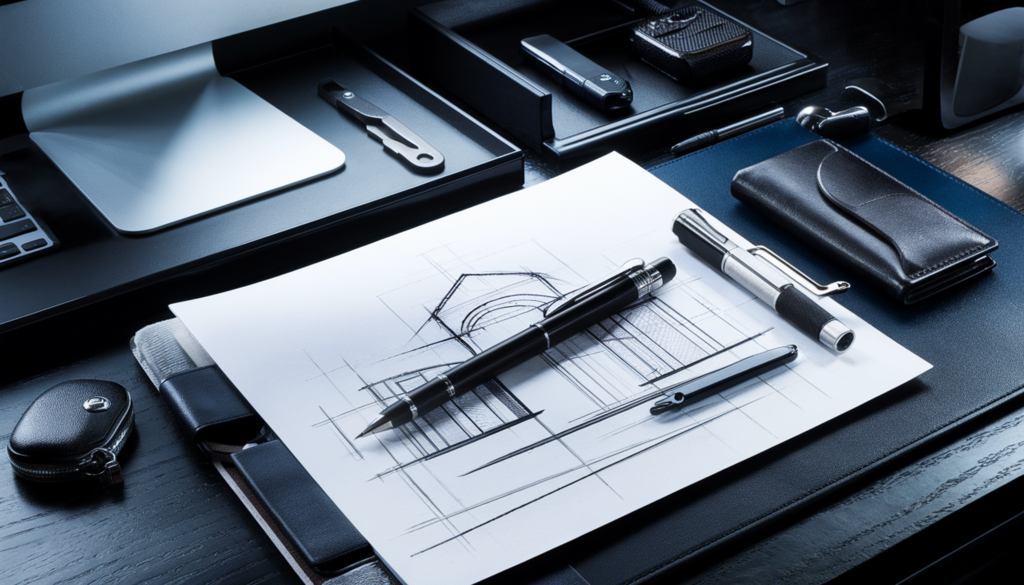
The Role of Engineering Pencils in Precision Work
For architects, precision is paramount. This is where the engineering pencil comes into play. These pencils are specifically tailored for tasks that require meticulous attention to detail, making them an ideal choice for architectural work.
Engineering pencils are designed with features that set them apart from regular mechanical pencils:
- Fine Lead Sizes: Engineering pencils often come with finer lead sizes, such as 0.3mm or 0.5mm, allowing for more detailed and precise lines.
- Consistent Lead Advancement: The mechanism in engineering pencils ensures a consistent lead advance, which is crucial for maintaining line thickness and precision.
- Durability: These pencils are built to withstand extensive use, making them a reliable tool for professionals who require precision in their work.
While regular mechanical pencils are suitable for general use, engineering pencils provide the exactness needed for detailed architectural designs. By choosing the right pencil, architects can ensure their work is both accurate and efficient, ultimately enhancing the quality of their projects.
Sustainability and Environmental Impact
In today’s world, sustainability is more than just a buzzword; it’s a necessity. Mechanical pencils, particularly those designed for everyday carry (EDC), offer a more sustainable option compared to traditional wooden pencils. Unlike wooden pencils, which are discarded once they’re too short to use, mechanical pencils are designed for longevity. They can be refilled and reused, minimizing waste.
By focusing on reducing their carbon footprint and using eco-friendly materials, these companies are making a positive impact on the environment. For architects who are often involved in projects that emphasize sustainability, choosing environmentally friendly tools is a natural extension of their work ethos.
Here are some key points to consider about the sustainability of mechanical pencils:
- Refillable design reduces waste compared to disposable pencils.
- Long-lasting materials mean fewer resources are used over time.
- Some brands focus on eco-friendly production methods.
Choosing Your EDC Pencil
Selecting the right EDC mechanical pencil for architectural work requires careful consideration of several factors. Each architect has unique needs and preferences, and the right pencil can enhance both precision and comfort during long hours of designing.
Here are some practical tips to help you choose the best mechanical pencil for your architectural projects:
- Lead Size: Choose a lead size that suits your drawing style. Common sizes like 0.5mm or 0.7mm offer good precision.
- Grip Comfort: Look for a pencil with a comfortable grip to reduce hand fatigue during extended use.
- Durability: Opt for pencils made from robust materials that can withstand daily use.
- Style: Consider the aesthetic appeal of the pencil, especially if style is important in your professional setting.
- Budget: While high-end pencils offer premium features, there are also affordable options that provide great performance.
Ultimately, the best EDC pencil is one that aligns with your personal style and meets the demands of your projects. Whether you prioritize precision, comfort, or sustainability, there’s a mechanical pencil out there that can enhance your architectural work. Professionals can choose EDC mechanical pencils from Everyman, Uni, or Staedtler.