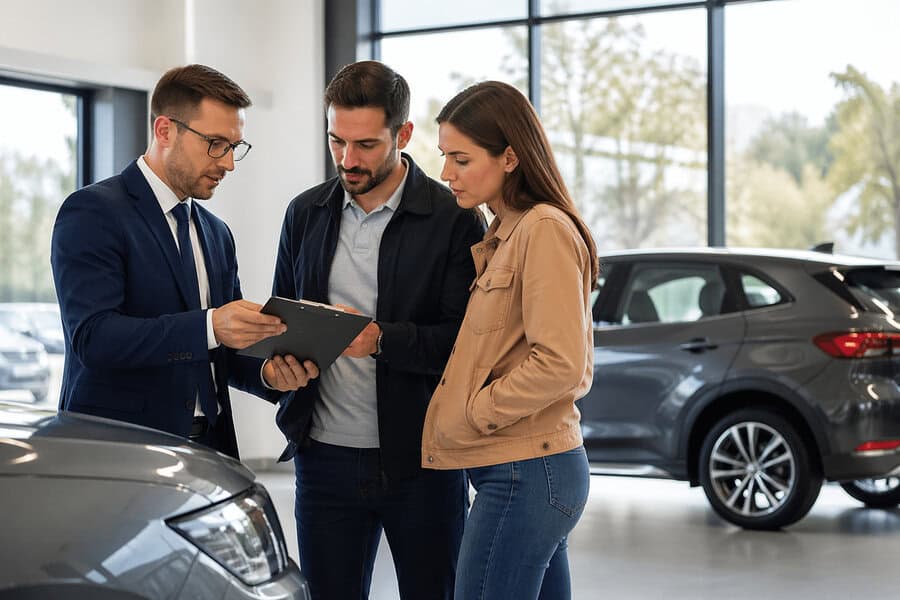
The Smart Way to Buy a Pre-Owned Car Without Overpaying
Buying used cars is either one of the smartest financial moves a person makes or one of the costliest mistakes. The gap between those outcomes is preparation. Car buyers who skip research walk into negotiations blind and leave with vehicles that drain their accounts through hidden costs and overlooked damage. This used car buying guide covers every critical stage from budget planning to signed documentation so anyone can move forward without second-guessing every dollar spent.
Every smart vehicle purchase begins with access to the right inventory. Abetter.bid opens the full auction market to everyday buyers without requiring a dealer license. The platform lists over 300,000 vehicles daily spanning clean title cars, salvage vehicles, trucks and motorcycles. Buyers search by making model year location title type and damage category then place pre-bids or bid live in real time. Registration is free and the process covers everything from bidding through payment to shipping coordination. Used cars that sit out of reach at traditional lots often appear here at prices that reflect true market reality rather than dealership markup.
Figure Out How Much You Can Afford
Knowing much you can afford before browsing anything shapes every decision that follows. The total cost goes beyond the sticker. Car insurance taxes and ongoing maintenance all factor into the real monthly burden. Getting pre-approved for a loan before visiting any lot gives buyers genuine leverage and prevents the financing conversation from being controlled by the seller. Interest rates differ widely between banks and credit unions so comparing lenders before arriving at any car dealership saves real money across the full loan term. A monthly payment that truly fits your budget today should still hold two years from now when the novelty fades.
Where to Find Used Cars
The landscape of used cars extends far beyond a single local lot. Buyers search cars online through major automotive platforms as well as through dealership websites that post regional inventory with pricing history. A single listing on one aggregator often mirrors another platform so comparing sources reveals the true average price range. Vehicles for sale through private classifieds sometimes carry lower asking prices though they require more personal verification effort. Whether a buyer searches online or in person the result depends on thoroughness not the channel itself.
Every listing deserves scrutiny beyond photographs. Sellers who provide service records willingly and answer direct questions signal a cleaner transaction. A used car like those from well-documented private owners often costs less than comparable inventory at a franchise location. For buyers who want to go a step further in making a vehicle their own, personalising it with a unique registration is one way to add a distinct identity to the purchase, and those drawn to that idea can find your dream number plate to explore options that complement their chosen car. Patience during this research phase saves thousands at purchase.
Dealership or Private Sellers
The choice between buying from a dealership and working with private sellers shapes the entire transaction. A dealership typically offers financing options and some form of warranty protection. Private sellers price closer to true market value without the fees that appear at transaction close. Neither route is automatically superior. A dealer or private seller each carry potential depending on how prepared the buyer arrives. Comparing dealerships against private options side by side reveals where genuine value sits for a given budget.
Used cars sold through franchise lots often come backed by a warranty that a private party sale does not include. CPO vehicles pass manufacturer inspections and carry extended warranty terms that compare favorably to the coverage a new car carries. Purchasing a used car from a private owner typically reflects actual pricing more directly. A car from a private party often includes maintenance records that trace the full service story behind the vehicle.
A car from a private seller requires additional verification that a dealership handles through internal certification. The car title must be free of liens. Request the bill of sale before any funds transfer. Used cars exchanged in a private party transaction carry no institutional guarantee so the buyer holds full responsibility for every confirmation step.
Research the Right Make and Model
Choosing the right make and model affects car ownership costs for years ahead. Some vehicles carry higher repair frequency and steeper parts prices while others run for decades with minimal intervention. Automotive pricing tools help buyers understand fair ranges for any specific car by condition mileage and region. Shopping for a car with total cost of ownership in mind covers depreciation fuel and maintenance alongside the sticker price. That level of data turns guesswork into structured decision-making before any negotiation begins.
Comparing potential vehicles across multiple research platforms prevents overpaying at any stage. The table below shows what each stage of research should cover.
| Research Stage | What to Evaluate |
| Pricing research | Fair market range by condition and mileage |
| Cost of ownership | Depreciation fuel insurance and maintenance |
| Vehicle history | Accidents title status odometer records |
| Physical condition | Panels fluids tires and mechanical components |
| Documentation | Title registration and service records |
Verify History Before You Negotiate
To get a vehicle history report buyers enter the vehicle identification number into a dedicated platform. The VIN lookup reveals salvage titles, odometer rollbacks and undisclosed accidents that affect fair value directly. A lower price becomes justified whenever problems appear in the data. That report also gives buyers the foundation to negotiate confidently rather than rely on gut instinct alone.
The car you want deserves that scrutiny before money changes hands. A car might look perfect in photographs while hiding a lien still attached to the title or a rapid series of owners suggesting repeated mechanical disappointment. Learn how to buy used cars with data and not assumptions. That mindset separates buyers who overpay from those who secure real value consistently.
Inspect Before You Commit
Nothing replaces going to see the car in person. Arrive with a checklist covering exterior panels, glass condition tire wear and underbody corrosion. Safety features including cameras and automatic braking should all be tested on site. Ask whether the vehicle was serviced at a certified location and whether records exist for each interval. Any prior collision repair shows up in uneven panel gaps or mismatched paint that photographs never capture honestly. A close visual inspection near a new car standard is the benchmark worth holding.
Bring an independent mechanic whenever the schedule allows. A trained mechanic charges a modest inspection fee and catches problems worth ten times that amount. The in-person check for any used cars purchase covers several areas that listing photos consistently miss.
- Rust under wheel arches and along door sills
- Uneven panel gaps indicating previous collision work
- Tire wear patterns revealing alignment problems
- Fluid condition and leak signs under the hood
- Electronic and infotainment system response
- Brake pedal firmness during low-speed stops
The Test Drive Tells the True Story
A test drive tells the story no report captures. Get behind the wheel on real roads rather than a parking lot loop. Test drive the car through highway on-ramps tight corners and firm braking zones. The car you’re evaluating should feel stable and predictable at every speed. Notice steering tracking brake behavior and cabin noise throughout every segment. Those details reveal the true condition of used cars far more clearly than any listing photograph ever will.
A second test drive on a different route often surfaces issues the first missed. Used cars that performed smoothly on flat pavement sometimes show vibration or brake fade on rougher sections. That extra drive costs nothing and protects everything that follows in the transaction.
Steps for Buying and Closing the Deal
Following clear steps for buying used cars reduces errors at every stage. Here is the sequence experienced buyers follow.
- Define needs and budget before browsing any source
- Search dealership and private listings across multiple platforms
- Shortlist candidates based on price condition and location
- Run a history check using the vehicle identification number
- Schedule an independent inspection and a full test drive
- Compare offers from dealer and private sellers side by side
- Confirm trade-in value on the existing car before entering price talks
- Secure a car loan with confirmed rate and term documentation
- Review all paperwork including title and registration
- Complete the sale with signed documentation in hand
The final step after the price agreement involves reviewing every document thoroughly. Trade-in and private party values on the existing car should be resolved before the new contract opens. Shopping for a used vehicle ends when signatures are confirmed. The next car purchase begins years later when this one is fully owned without surprises. Buy a car only when paperwork is clean, keys are present and every number has been verified in writing.
Financing and Final Considerations
Used cars financed over time carry total costs that extend well beyond the purchase price. The right vehicle for long-term ownership fits the buyer’s income structure across the entire loan duration. Buy a used car with written rate confirmation and a realistic payment schedule from the lender. The car payment should reflect actual monthly capacity rather than an optimistic projection. Always request final numbers in writing before signing anything.
Choosing the right car from the array of used cars available today means prioritizing verified data over first impressions. For buyers who want to buy a used car with total confidence the process rewards those who treat each verification step as non-negotiable. Used cars built on thorough research deliver years of reliable service without regret. Whether completing a private transaction or finalizing terms at a franchise location the buyer who verifies every detail consistently comes out ahead.
Conclusion
The path to buying a pre-owned vehicle without overpaying rests on three pillars. First comes verified information from a reliable history platform. Second comes researched pricing built on real market data. Third comes documented paperwork completed without shortcuts. Used cars carry genuine value when approached with discipline. A thorough inspection and honest test drive confirm the condition. Careful negotiation and complete documentation close the deal properly. Every buyer who wants to buy a used car without regret follows this process from the first search to the final signature. The best used cars are those backed by facts at every stage.
FAQs
Can a seller refuse an independent mechanic inspection before purchase?
Any refusal is a significant warning. Reputable sellers welcome third-party inspections because a clean result confirms the asking price and speeds up the transaction. Walk away from anyone who blocks that step without explanation.
Does a spotless vehicle history report mean the car has no mechanical problems?
Not necessarily. History reports only capture events recorded in official databases. Unreported accidents and recent mechanical failures do not always appear. An independent inspection covers exactly what report data misses so both steps matter equally.
Is buying CPO vehicles worth the higher price over standard used inventory?
It depends on the price gap and the specific model. CPO coverage reduces repair risk during the first years of ownership. When the cost difference exceeds the likely repair expenses for that make and model the standard used option may deliver better overall financial value.
How significantly do interest rates affect the total cost of buying a used car?
A single percentage point difference on a 48-month loan changes total repayment by several hundred dollars. Buyers who compare at least three lenders before committing consistently pay less across the full loan term. This step takes one afternoon and saves real money.
Should a trade-in be negotiated before or after settling the purchase price?
Always finalize the purchase price first. Combining the trade-in conversation with the purchase negotiation gives sellers room to shift numbers in ways that obscure the real value of each part of the deal. Separate negotiations produce cleaner outcomes every time.