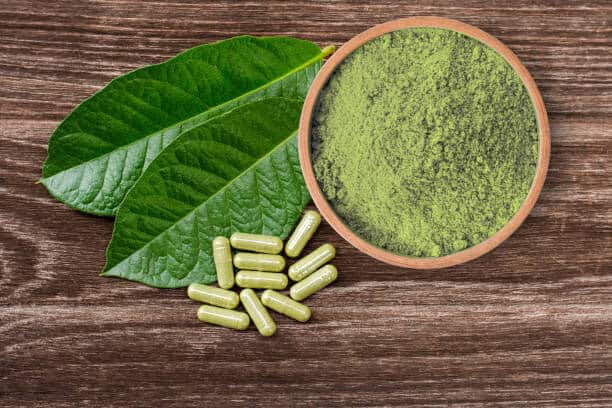
Kratom Gummies vs Other Edibles: Honest Comparison
You’ve seen kratom gummies on the shelf next to chocolates, baked goods, and other edible options. They all claim to deliver kratom conveniently, but they’re not all the same. Each type of edible has real advantages and drawbacks that affect taste, convenience, cost, and how well they actually work. Let’s compare them honestly so you know what you’re actually getting.
The edible kratom market has expanded beyond just gummies. You can find kratom chocolates, kratom-infused honey, baked goods, and even kratom candy. They all serve the same basic purpose of delivering kratom in an edible format, but your experience with each varies significantly. Here’s what actually matters when you’re choosing between them.
Gummies: The Convenient Standard
Kratom gummies have become the most popular edible format for good reasons. They’re pre-dosed, portable, shelf-stable, and familiar since most people have eaten regular gummy supplements before.
What makes gummies work well:
- Consistent dosing with each piece clearly measured
- Long shelf life when stored properly
- Easy to carry in bags, pockets, or cars
- Chewy texture masks the kratom taste effectively
- Available in multiple flavors
- No refrigeration needed
- Discrete packaging and appearance
The main advantage is convenience combined with consistency. You know exactly how much kratom is in each gummy, and they stay good for months without special storage.
The texture helps too. The chewy, candy-like quality makes them more enjoyable than choking down powder or dealing with bitter tastes. Fruit flavors work well at covering the earthy kratom notes.
The downside is cost per serving. Gummies typically cost more than equivalent amounts of powder because of the manufacturing process. You’re paying for the convenience factor.
Some people also find gummies take slightly longer to feel effects compared to other methods since they need to be digested and broken down before the kratom absorbs.
Kratom Chocolates: The Indulgent Option
Kratom-infused chocolates appeal to people who want their dose to feel like a treat. They come as bars, truffles, or individual pieces.
Chocolate advantages:
- Tastes genuinely good, not just tolerable
- Chocolate naturally masks kratom bitterness well
- Feels indulgent rather than medicinal
- Can be divided easily if you want smaller doses
- Familiar format most people enjoy
The taste factor is real. Quality kratom chocolate actually tastes like chocolate first and has minimal kratom flavor breaking through. The cocoa and sweetness do excellent masking work.
The problems start with storage and consistency. Chocolate melts in heat, so you can’t leave it in your car or take it places where temperature varies. Summer travel with chocolate kratom is basically impossible unless you have climate control.
Dosing can also be trickier. A chocolate bar might contain a certain amount of kratom total, but breaking it into even pieces that each contain the same amount is hard to do precisely. Chocolate doesn’t divide as cleanly as pre-formed gummies.
Cost varies widely. Some kratom chocolates are priced reasonably, others are premium products with premium prices. You’re definitely paying more than you would for powder, though.
Baked Goods: The Homemade Feel
Some vendors sell kratom brownies, cookies, or other baked items. These have a homemade quality that appeals to certain buyers.
Baked goods benefits:
- Substantial, filling format
- Strong flavors hide kratom taste completely
- Feels like eating actual food rather than supplements
- Can double as a snack or part of a meal
The main issue with baked goods is shelf life. They go stale quickly compared to gummies or chocolate. A kratom brownie might only stay fresh for a few days unless it’s loaded with preservatives, which defeats the “homemade” appeal.
Portability suffers too. Baked goods are bulkier and more fragile than gummies. They can get crushed in bags, create crumbs, and generally don’t travel as well.
Dosing consistency depends entirely on how evenly the kratom was mixed into the batter. Professional manufacturers usually do this well, but homemade versions can have uneven distribution where one brownie has much more kratom than another.
Temperature affects them like chocolate. Baked goods with frosting or cream fillings need refrigeration, limiting where you can take them.
Kratom Honey: The Natural Alternative
Kratom-infused honey is less common but available from some vendors. It’s kratom extract mixed into honey.
Honey format advantages:
- Natural preservation, honey lasts indefinitely
- Easy to measure doses with spoons
- Can be added to tea, toast, or eaten straight
- Honey’s sweetness masks bitterness well
- Appeals to people avoiding processed foods
Honey is versatile in ways other edibles aren’t. You can use it multiple ways rather than just eating it as-is. Stir it into drinks, spread it on food, or take it by the spoonful.
The stickiness is both a benefit and a problem. It’s messy to handle, hard to portion precisely without tools, and can leak if containers aren’t sealed perfectly.
Honey also isn’t truly portable. You need a container and likely a spoon. You can’t just grab a dose and go like you can with gummies.
Cost per serving varies but tends to be reasonable since honey itself is inexpensive and serves as both the delivery vehicle and the preservative.
Hard Candies and Lozenges: The Dissolving Option
Some manufacturers make kratom hard candies or lozenges that dissolve slowly in your mouth.
Hard candy benefits:
- Very long shelf life
- Extremely portable and discrete
- Slow dissolution might provide gradual effects
- Strong flavors available
- Individually wrapped for freshness
The slow-dissolve factor changes the experience. Instead of swallowing and digesting, the candy releases kratom gradually as it melts. Some people prefer this, others find it takes too long.
Taste can be hit or miss. The kratom flavor has more time to come through as the candy dissolves compared to quickly swallowing a gummy.
Dosing per piece tends to be lower than gummies because hard candies are smaller. You might need multiple pieces to equal one gummy’s kratom content.
Storage Requirements Comparison
How you need to store different edibles affects whether they’re practical for you.
Storage needs by format:
- Gummies: Cool, dry place, no refrigeration needed
- Hard candies: Cool, dry place, very stable
- Honey: Room temperature, nearly indestructible
- Chocolate: Cool place, away from heat, can’t take many places
- Baked goods: Refrigeration often needed, short shelf life
Gummies and hard candies are the most forgiving. You can store them almost anywhere reasonable and they’ll be fine for months.
Chocolate and baked goods require more care. If your storage situation isn’t ideal or you travel frequently, these formats create problems.
The Bottom Line
Kratom gummies dominate the edible market because they balance convenience, consistency, taste, storage, and cost better than alternatives. Other formats have specific advantages but also significant trade-offs.
If you’re new to kratom edibles, start with gummies. They’re the safest bet. Once you’re familiar with them, experiment with other formats if specific advantages appeal to you. You might discover you prefer chocolate despite the limitations, or that honey’s versatility fits your lifestyle better.
There’s no universally “best” edible format. The right choice depends on how you’ll actually use it, where you’ll take it, and what factors matter most to you personally.