The Glovebox-to-Boardroom Snack Upgrade
Most men put real thought into the visible parts of a polished life. The watch matters. The shoes matter. The briefcase, the car, the office setup, and the carry-on all send a message before a word is spoken. Still, one of the easiest ways to let that standard slip happens in the quieter parts of the day, when lunch gets delayed, the commute runs long, and hunger turns a small decision into a careless one.
That is usually where routine breaks down. Not at dinner. Not on a weekend trip. In the middle of an ordinary Tuesday, when the best option nearby is whatever happens to be sitting behind a gas station counter or humming inside a vending machine. A man can be sharp in every visible way and still get thrown off by something as basic as having nothing decent within reach.
Convenience Is Where Most Routines Fall Apart
Most bad snack decisions are not dramatic. They are rushed. A late meeting bleeds into the afternoon. An errand takes longer than expected. You leave the house thinking you will grab something later, then later never quite arrives. By the time hunger shows up, convenience has already taken control.
That is why this is less about appetite and more about access. When there is no good option close by, standards drop fast. The office kitchen starts looking better than it should. The glovebox becomes a graveyard of stale backups. Even men who care about discipline and presentation can get lazy when the day stops cooperating.
Preparedness solves more of this than people admit. You do not need a perfect system. You need a reliable default. Something easy to stash, easy to carry, and easy to reach for before the day starts feeling disorganized.
Why Portable, Better-Quality Snacks Earn Their Place
A smart snack should fit into real life without asking for special treatment. It cannot be messy. It cannot feel flimsy. It should hold up in a work bag, sit in a desk drawer, and still make sense when you need something quick between meals. That simple standard rules out a lot of forgettable options.
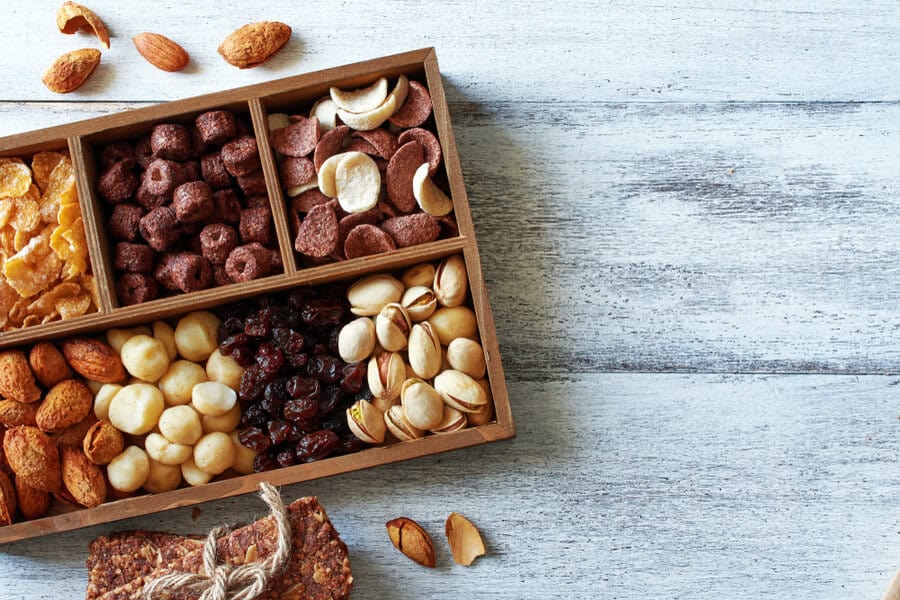
That is where trail mix snacks earn their place. They make sense for men who move through different settings in the same day and do not want their food choices to feel random. A single-serve mix travels well, stores easily, and feels more considered than the usual throwaway backup food tucked into a console or bag. The mix of crunch, sweetness, and substance gives it a little range, which matters more than most people think.
There is a practical appeal to food that works almost anywhere. A decent option should feel at home in the office, in the car, on a flight, after a workout, or before a long afternoon gets away from you. Once a snack proves itself in all of those places, it stops feeling like an extra and starts feeling like part of a well-run routine.
What Makes a Snack Feel Like an Upgrade, Not an Afterthought
The difference often comes down to a few small details. A better snack keeps its shape, stays convenient, and feels satisfying without creating a mess. It should be the kind of thing you can toss into a bag and forget about until the moment you need it. That kind of reliability is what turns a backup plan into a useful habit.
Texture helps. So does balance. A snack with some crunch and variation feels more complete than something soft, flat, or one-note. Portion size matters as well. Too little and it barely registers. Too much and it starts to feel careless. The best options land somewhere in the middle, where convenience still feels intentional.
There is a reason nuts remain easy to store and pack when you’re on the go. They are simple, portable, and familiar in the best possible way. None of that is flashy, but it does make life easier. A good snack does not need to impress anyone. It needs to justify the space it takes up.
From Glovebox to Boardroom: Where This Pays Off
A reliable snack proves its value by working in more than one setting. It should make just as much sense before a long drive as it does before a packed afternoon at the office. It should be useful in a carry-on, a gym bag, or the front pocket of a work tote. That kind of range is what separates a staple from something that only works under perfect conditions.
It helps in ways that are easy to overlook. You spend less time improvising. You make fewer sloppy decisions. The day feels smoother because one small problem was handled before it had a chance to become annoying. That same mindset shows up in the men who keep a clean briefcase, a dependable watch, or lunch gear built for the office and outdoors within easy reach. The point is not excess. The point is readiness.
That is where the title of this piece earns itself. Glovebox to boardroom is really about range. It is about having one solid option that follows you through the less glamorous parts of a busy day and quietly keeps things on track.
The Real Luxury Is Having Better Defaults
Well-run lives tend to look calm from the outside because the small details have already been handled. Fewer decisions feel rushed. Fewer weak moments turn into bad habits. That applies to what a man wears, what he carries, and what he reaches for when the day presses back.
A better snack will never be the most exciting part of a routine, and that is exactly why it matters. It does its job in the background. It saves time, cuts down on impulse choices, and keeps convenience from setting the standard. There is something quietly satisfying about that.
Real luxury often looks like control. It looks like being ready before the moment asks for it. A glovebox, desk drawer, or work bag stocked with something solid may seem minor, but it reflects a larger standard. Men who stay sharp usually do it the same way they do everything else. They keep better defaults close at hand.