A Beginner’s Guide to Building an Emergency Preparedness Kit
Severe weather, power outages, natural disasters, and infrastructure failures can disrupt normal life with little warning, and the first hours after an event are often the most difficult. Emergency services may be overwhelmed, stores may be closed, and utilities may be offline. The households that manage these situations most effectively are the ones that prepared before anything happened.
In this article, we will walk through the core supplies every emergency kit should include, how to organize them effectively in duffel bags or tactical backpacks for quick evacuation, and how to maintain the kit over time so nothing expires or fails when it matters most. The focus is on practical, affordable steps that any household can take regardless of prior experience with emergency planning.
Read also: Kelty Eagle 128L Tactical Military Backpack Review
Determine What the Kit Needs to Cover
The standard recommendation from emergency management agencies is to maintain enough supplies for at least three days per person in the household, with a two-week supply recommended for sheltering at home. This applies to water, food, medications, and basic sanitation supplies.
Before assembling anything, assess the specific needs of the household. Families with infants need formula, diapers, and baby food. Households with elderly members or anyone on prescription medication need extra supplies of those medications plus copies of prescriptions. Pet owners need food, water, and carriers for their animals. These personal factors shape the kit as much as any standard checklist.
Water Comes First
Even mild dehydration can cause headaches, dizziness, confusion, and fatigue, which is why water should be the first item in any emergency kit.
The general guideline is one gallon per person per day for drinking and basic sanitation. For a household of four preparing for three days, that means 12 gallons, which weighs roughly 100 pounds. Many households maintain a home supply in jugs or containers and a smaller portable supply in their evacuation bag.
Sealed commercial water bottles last for at least a year when stored properly. Water purification tablets or a portable filter serve as backups if the stored supply runs out or becomes contaminated. Having both a primary supply and a purification method provides redundancy, which is important when access to clean water is not guaranteed.
Food That Requires No Preparation
Emergency food should be non-perishable, calorie-dense, and require no cooking or refrigeration. Canned goods, dried fruit, nuts, granola bars, peanut butter, and vacuum-sealed rations all meet these criteria. Include a manual can opener if any of the food is canned.
Avoid foods that are high in salt, as they increase thirst and water consumption. Choose items the household will actually eat, particularly for children, since unfamiliar food adds unnecessary stress to an already difficult situation. Rotate food supplies every six to twelve months by using the oldest items and replacing them with fresh stock.
First Aid and Medical Supplies
A well-stocked first aid kit can handle minor injuries that would otherwise require a trip to a medical facility. Adhesive bandages, sterile gauze, medical tape, antiseptic wipes, tweezers, pain relievers, and antibiotic ointment cover the most common needs.
Add any prescription medications for household members, along with copies of prescriptions and a list of each person’s medical conditions and allergies. Over-the-counter medications for common issues like diarrhea, allergic reactions, and fever round out the medical section. Store medications in a waterproof bag and check expiration dates during regular kit reviews.
Light, Communication, and Power
A reliable flashlight with extra batteries is essential. A headlamp is even more practical, since it will keep your hands free for other tasks. A battery-powered or hand-crank radio that receives NOAA weather channels will provide critical information when cell networks and internet service are down.
A portable power bank keeps a phone charged for communication and navigation. Store charging cables for every device the household uses. A whistle, which requires no power and can be heard at long distances, is a simple but effective signaling tool that belongs in every kit.
Documents and Cash
Digital systems can fail during emergencies. Maintain physical copies of identification, insurance policies, medical records, and emergency contact information in a waterproof pouch inside the kit. IATMs and card readers depend on power and network connectivity that may not be available, so make sure you have cash in small bills and coins.
Shelter and Warmth
Even a short-term disruption can expose a household to cold, rain, or wind. Emergency mylar blankets weigh almost nothing and retain body heat effectively. A compact tarp or sheet of heavy-duty plastic sheeting provides shelter or ground cover. Include a change of clothes and sturdy shoes for each person, particularly in regions where severe weather is common.
Choose the Right Container
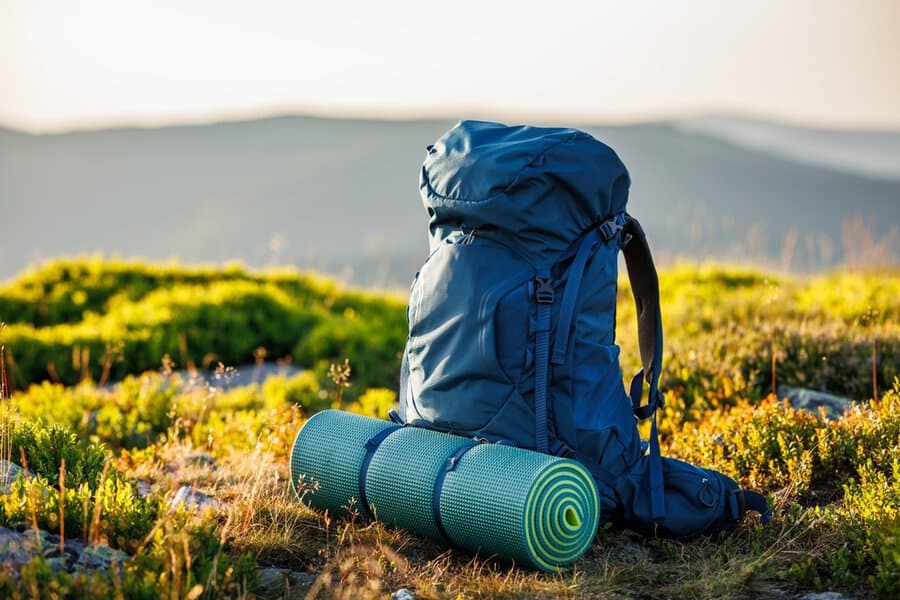
The kit needs to be portable enough for you to carry on foot but large enough to hold supplies for every household member. A pack in the 35-45 liter range can fit most three-day kits for one or two people. Larger households should consider distributing supplies across multiple bags to ensure that no single pack becomes too heavy to carry comfortably.
Keep the Kit Current
An emergency kit that is assembled and forgotten gradually becomes unreliable. Review the contents at least twice a year. Replace expired food and medication, test flashlights and radios, recharge power banks, and update documents as household circumstances change. A five-minute check in spring and fall will ensure the kit is ready.
Preparedness as a Practical Habit
An emergency kit is not a guarantee against hardship, but it does provide a meaningful buffer during the most vulnerable hours of any disruption. The investment is modest, and the process of assembling and maintaining the kit builds readiness that benefits the entire household.
Read also: 22 Modern Men’s Must-Have Tools For Travel, Work, And Weekend Adventures