
9 Ways Quality Power Cords Help Protect Expensive Electronics
The reliability of expensive electronic devices depends on the reliability of their components. However, many equipment problems can be traced back to neglected electrical connections. Poor power cables can cause issues ranging from downtime and repairs to unexpected replacement costs, especially if you are using servers, medical equipment, manufacturing devices, or commercial machinery.
By selecting a quality power cord, the risks of electrical problems can be significantly decreased, and equipment performance can be enhanced over time. In addition, high-quality materials, accurate certifications, and more robust construction ensure that power is delivered when and where needed. As a result, reliability can mean the world to customers who depend on critical equipment every day for their businesses or professional practices.
With that in mind, here are nine ways quality power cords help protect valuable electronics and support safer, more dependable operation.
1. Reduce Voltage Loss
A stable electric current is needed for reliable equipment. However, poor cable materials or undersized conductors can cause voltage loss before it reaches connected devices.
Quality power cords will have proper wire gauges and conductors that efficiently transfer power. As a result, industrial machinery, commercial equipment, and computer systems all enjoy consistent deliveries of voltage.
This, in turn, allows internal parts to function without strain due to fluctuations in the power supply. Since servers, medical equipment, and manufacturing systems often operate for long periods, dependable electrical performance is especially important.
2. Prevent Excess Heat

Heat is among the leading causes of electrical damage. In fact, faulty or overloaded cords can produce unnecessary heat and can impact the equipment attached to them.
Quality power cords are designed to carry their rated loads safely. As a result, heavy-duty extension cables and commercial-grade plugs minimize the risk of overheating in more challenging areas like factories, warehouses, or healthcare facilities.
OSHA electrical safety guidance places extra emphasis on the correct rating of electrical cords and connections to minimize workplace hazards. Therefore, safe operation in several sectors depends on the reliable construction of the cord.
3. Support Consistent Power Delivery
Modern electronics depend on stable electrical input. Frequent fluctuations can affect performance and contribute to premature wear.
Quality power cords maintain secure electrical connections between outlets and equipment. Strong conductors and durable connectors help support reliable power delivery throughout daily operation.
Consistent electrical conditions help support the reliability of connected equipment and sensitive electronics. They also reduce the risk of unexpected shutdowns that can interrupt workflows and potentially lead to data loss or equipment damage.
4. Lower Arc Fault Risk
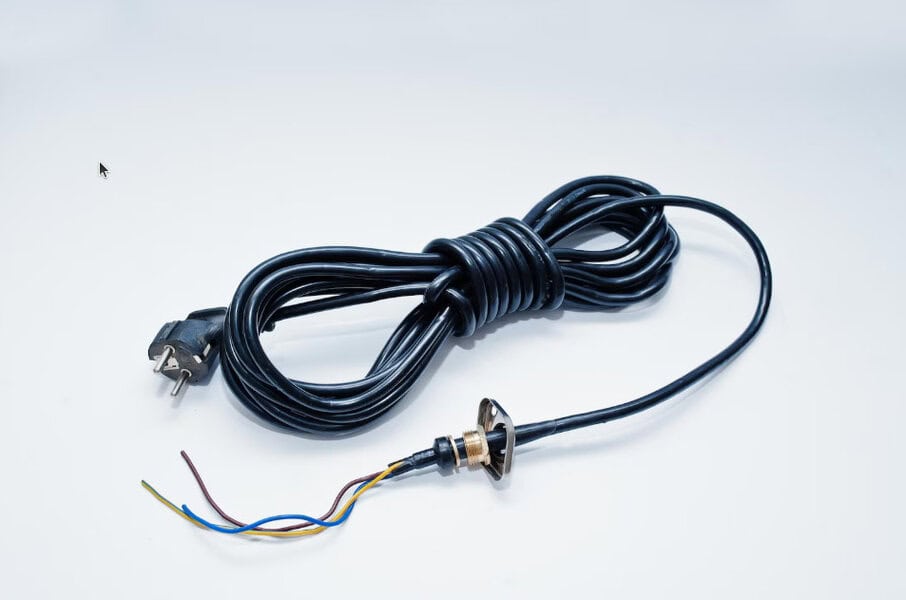
Loose connections and deteriorated cable materials can increase the risk of electrical arc faults. These faults may damage equipment and create serious safety concerns.
Well-manufactured power cords use durable insulation, secure connector designs, and quality termination methods. These features help maintain stable electrical contact over time.
Commercial facilities, industrial operations, and data centers often prioritize UL-certified cords because dependable electrical connections help reduce avoidable fault conditions.
5. Protect Sensitive Electronics
Many modern devices contain delicate electronic components. Medical monitors, networking hardware, production controls, and laboratory equipment all rely on clean and dependable power.
Quality power cords help maintain reliable electrical pathways between power sources and equipment. Better construction reduces the likelihood of interruptions caused by connector wear or insulation failure.
Reliable electrical infrastructure remains an important part of protecting sensitive equipment from preventable damage. Even minor power disruptions can affect performance, reduce accuracy, or shorten the lifespan of critical electronic systems.
6. Extend Equipment Service Life
Replacing expensive electronics can place a significant burden on maintenance budgets. Preventing avoidable electrical stress helps protect those investments.
Quality power cords help minimize problems associated with overheating, voltage loss, and unstable electrical connections. Reducing stress on electrical components can contribute to longer equipment life.
Moreover, dependable supporting infrastructure contributes to improved long-term performance and operational reliability.
7. Withstand Demanding Environments
Many industries operate in conditions that challenge electrical equipment every day. Exposure to moisture, vibration, temperature fluctuations, and physical wear can damage poorly constructed cords.
Outdoor extension cords and industrial-grade power cords use durable insulation materials and protective jackets designed for demanding environments. Strong strain relief systems also help prevent damage near connection points.
Construction sites, manufacturing facilities, warehouses, and outdoor work areas often require electrical products built to withstand frequent use and challenging conditions.
8. Meet Industry Safety Standards
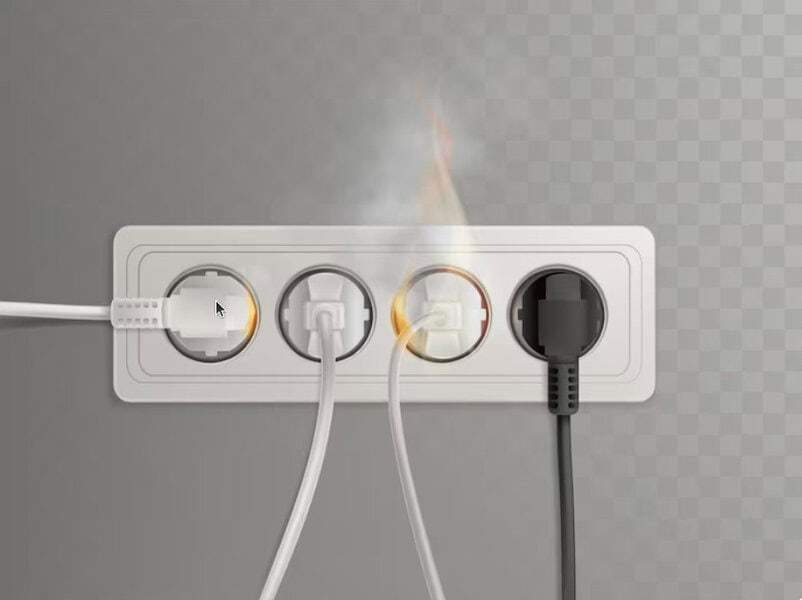
Electrical standards exist to promote safety, performance, and reliability. Products that meet recognized standards provide greater confidence during daily operation.
UL-certified power cords and properly rated electrical components are designed to satisfy established safety requirements. These standards help buyers identify products suitable for commercial, industrial, healthcare, and technology applications.
Organizations that prioritize compliant electrical products often experience fewer operational disruptions and lower maintenance costs because equipment operates within recommended specifications.
9. Reduce Costly Downtime
Unexpected downtime affects productivity, revenue, and customer satisfaction. A failed power connection can interrupt operations and create expensive delays.
Quality power cords are engineered for durability and long-term reliability. Strong connectors, heavy-duty insulation, and dependable construction help reduce failures caused by everyday wear.
For manufacturers, healthcare providers, contractors, facility managers, and IT departments, investing in quality power cords can help avoid disruptions that affect critical operations.
Conclusion
Power cords play a larger role in equipment protection than many people realize. From reducing voltage loss and heat buildup to supporting power quality and helping equipment last longer, the right cord contributes to safer operation and fewer unexpected failures. Reliable electrical connections are a simple but important part of protecting valuable electronics.
Before purchasing replacement cords, evaluate the electrical demands of your equipment and the environment where it operates. Choosing commercial-grade, UL-certified power cords designed for long-term performance can help protect investments and support reliable operation across industrial, healthcare, IT, OEM, and commercial applications. Explore professional-grade power cord solutions that match your equipment requirements and safety standards.
Read also: Top 75 Tools Every Man Should Have