Can a Smart Home Setup Actually Save You Money?
The smart home industry has moved well past the novelty phase. What started as a playground for early adopters is now a genuine renovation consideration for homeowners weighing real costs against real returns. The question isn’t whether smart tech looks impressive — it’s whether it actually earns its keep on the monthly utility bill.
Not every upgrade pulls its weight. Some deliver measurable savings within a season or two. Others are essentially lifestyle purchases dressed up in efficiency language. Knowing which is which before you reach for your credit card is exactly the kind of practical intelligence that separates a smart renovation from an expensive one.
Smart Upgrades That Cut Monthly Bills
Smart thermostats sit at the top of the ROI list for good reason. HVAC systems typically account for 40–50% of a home’s energy consumption, which means even modest percentage reductions show up clearly in real dollars. According to Hanna Heating & Air’s analysis, ENERGY STAR data shows certified smart thermostats can cut heating and cooling bills by around 8%, or roughly $50 per year for a typical home — while Google Nest’s own figures suggest savings of $131–$145 annually for its learning models.
Smart lighting is another area where the numbers stack up. LED bulbs paired with occupancy sensors and dimmers reduce wasted lighting hours without requiring major infrastructure changes. The upfront cost per room often runs under $50, and the payback period across a larger home is measured in years rather than decades. These aren’t glamorous upgrades, but they’re the kind that quietly improve your bottom line month after month without demanding much attention once installed.
Which Gadgets Rarely Earn Their Cost
The higher-profile end of the smart home market tells a different story. Smart refrigerators, internet-connected ovens, and app-controlled washing machines generate significant consumer buzz, but the “smart” features — touchscreens, recipe suggestions, remote diagnostics — rarely add savings beyond what any modern ENERGY STAR-rated appliance would deliver on its own. You’re paying a premium for convenience, not efficiency.
The same logic applies to registration-heavy smart home platforms that demand account creation, cloud subscriptions, and data sharing before a device will function. Consumers are increasingly resistant to that trade-off. The growth of no kyc casinos — platforms that deliver full functionality without identity verification or registration barriers — reflects a broader consumer preference for products that work immediately, privately, and without strings attached. Smart home manufacturers ignoring that signal are watching users default to simpler, less connected alternatives that just do the job.
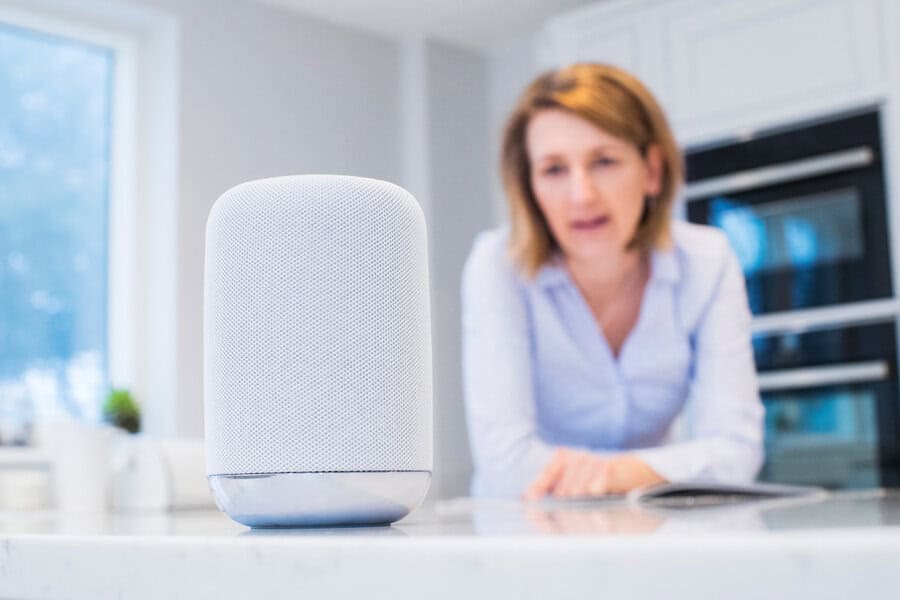
Voice assistants and ambient smart speakers fall into a similar category: engaging to demo, easy to justify as a small purchase, but unlikely to meaningfully reduce utility costs or improve resale value on their own. For renovation budgets where every dollar needs a purpose, these are best treated as lifestyle accessories rather than investments.
Where Privacy Controls Are Changing Expectations
One area where smart home tech is genuinely evolving is data and privacy management. Homeowners are asking sharper questions about what their devices collect, how it’s stored, and who can access it. This is reshaping product design across security cameras, smart locks, and voice-enabled devices — manufacturers are now competing on privacy features alongside performance metrics.
According to IoT Breakthrough’s 2025 analysis, the smart home market is shifting away from flashy gadget demos toward user-centric intelligence focused on energy savings and security. That shift is bringing more transparency into how devices handle personal data, which is itself becoming a purchase criterion for privacy-conscious homeowners who want control over their own systems.
The Real ROI of a Smarter Home
When you step back and look at the full picture, the value proposition of smart home upgrades depends almost entirely on which category you’re investing in. Thermostats, lighting controls, and whole-home energy monitors tend to pay for themselves within one to three years and contribute to genuine long-term savings. Security-focused upgrades — cameras, smart locks, garage sensors — rarely cut utility bills but can reduce insurance costs and protect high-value equipment, which adds indirect financial justification.
Research highlighted by the Home Improvement Research Institute finds that well-integrated smart home features focused on security and efficiency can lift property values by approximately 3–5%, making these upgrades relevant not just for monthly savings but for eventual resale positioning. The takeaway for anyone planning a renovation is straightforward: lead with energy management and security, treat smart appliances as optional upgrades, and skip the ambient gadgets unless you simply want them. Strategic choices made here tend to compound — both in savings and in the value a home commands when it’s time to sell.