How HVAC Air Purifiers and Humidifiers Improve Home Air Quality
Despite spending most of our time indoors, we rarely think about the invisible particles we breathe in every second. Organic spinach and filtered water are our obsessions, but what about the air that comes through our vents? That’s often an afterthought. If you’ve ever sat in a sunbeam and watched thousands of dust motes dance around, you’ve seen a fraction of the problem. When things get truly stuffy or the allergy season hits a fever pitch, your first instinct might be to call an HVAC contractor to see if the system is even working. Usually, the hardware is fine, it’s just overmatched by the sheer volume of contaminants in a modern, tightly sealed home.
True home air quality improvement isn’t just about changing a fiberglass filter once every blue moon. It’s about integrating technology that actually scrubs the air and balances its moisture content. We’re talking about a two-pronged attack: purification and humidification.
The Role of HVAC Air Purifiers
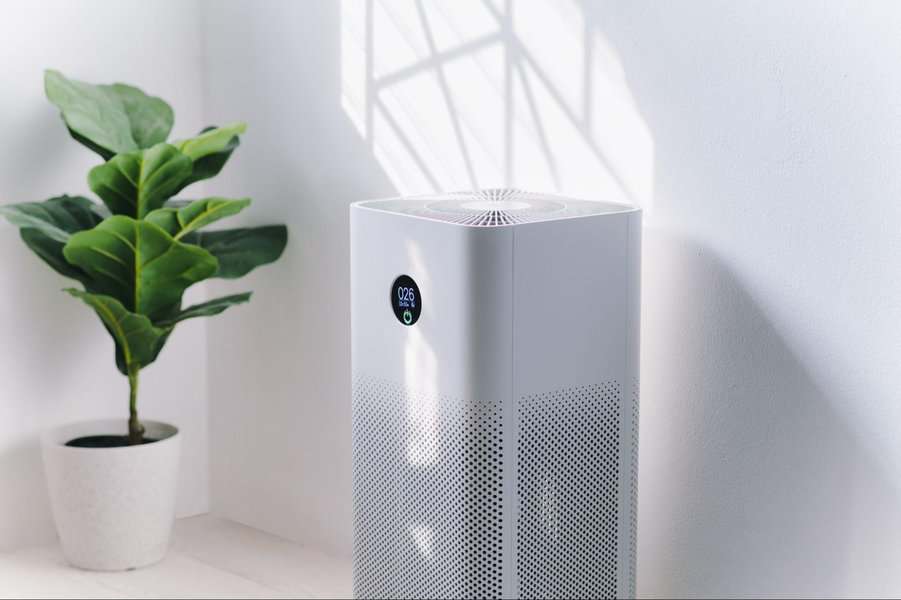
Think of your standard pleated furnace filter as a goalkeeper. Its purpose is to prevent the big things, pet hair, carpet fibers, and “dust bunnies” from clogging your blower motor’s delicate interior components. It isn’t really there to protect your lungs; it’s there to protect the equipment. That’s where HVAC air purifiers come into play. These are whole-home systems installed directly into your ductwork that go after the microscopic villains.
The most impressive tech here involves HEPA filtration or Ionization. A high-end purifier can capture particles as fine as 0.3 microns, but a conventional filter might only be able to capture particles as small as 3 microns. We are discussing microorganisms, smoke particles, and even certain viruses. As mold spores move through the stream, certain systems use UV-C radiation to jumble their DNA. Similar to a respiratory system security detail, it operates quietly around-the-clock without taking up floor space with noisy portable units.
How Humidifiers Improve Air Quality
Let’s now discuss the wetness. When cold weather wakes you up to a bloody nose, a sore throat, or skin that feels like it has shrunk, you are suffering from “thirsty air.”
Besides the discomfort, excessively dry air can also be dangerous to your health. Your mucous membranes in the nose and throat become less protective when dry, so you are more likely to get infected by the disease that goes around the office.
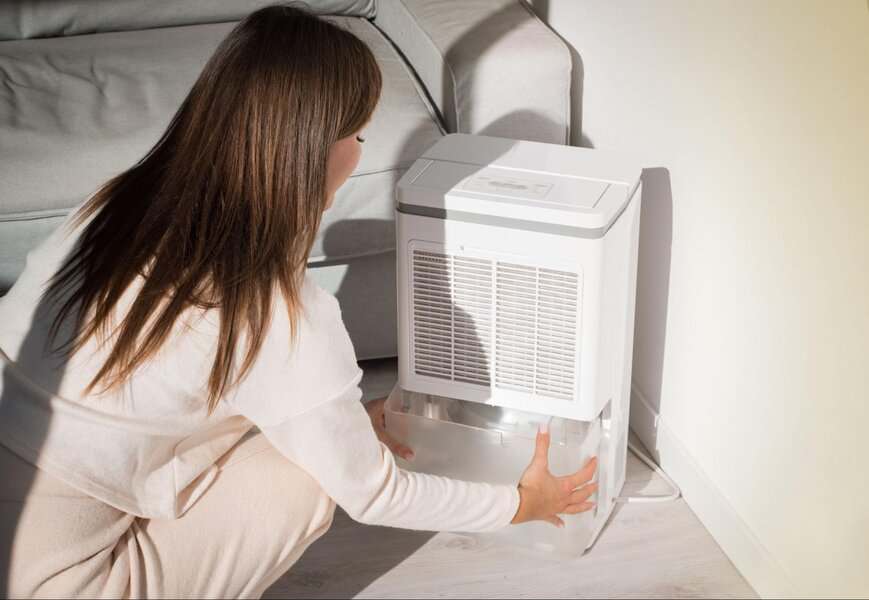
This is where HVAC humidifiers save the day. Unlike those little plastic tabletop humidifiers that you have to refill every six hours (and which often grow mold if you look at them sideways), a whole-home unit is plumbed directly into your water line. It monitors the humidity levels in the house and injects water vapor directly into the heated air before it hits your rooms. It’s a game-changer for preserving wooden furniture, preventing static shocks, and keeping your nasal passages functioning exactly as they should.
Combined Benefits in HVAC Systems
When you pair these two technologies, you create a synergy that honestly feels like living in a different house. It’s a total home air quality improvement strategy. For example, dust mites and some pathogens only grow in that particular humidity range. So if you maintain your home at a constant 40%-50% humidity, you are basically creating an environment that is not favorable for these pests.
The problem is that moisture also aids in the “weight” of dust particles. Every time you pass a bone-dry house, dust remains in the air and swirls around. Those particles are more likely to settle or be heavy enough for your HVAC air purifiers to really grab them in the return air stream when the humidity is balanced. It’s a coordinated effort that results in less dusting for you and much cleaner air for your family.
Choosing the Right System
The options overwhelm many homeowners. Do you choose a bypass humidifier or one with a fan? Which do you prefer: an electrical or media-based air purifier?
That said, it’s usually best to look for active purification systems if you have pets or severe allergies. These systems don’t just wait for air to pass through them; they send out ions that seek out pollutants in the rooms themselves. For humidification, steam units are the gold standard for precision, though they cost a bit more to run. If you’re unsure where to start, consulting with a professional team like Fuse Service can save you a lot of trial-and-error. They can test your baseline air quality and tell you exactly which “lungs” your house needs.
Maintenance Tips for Optimal Performance
Even the most expensive system will eventually fail if you treat it like a “set it and forget it” appliance. For purifiers, you need to be diligent about bulb replacements (for UV systems) and filter swaps. A clogged high-efficiency filter creates massive static pressure, which can actually burn out your furnace’s blower motor. It’s a classic case of a $50 part causing a $1,000 problem.
As for the humidifiers, the biggest enemy is mineral buildup. If you have “hard” water, that calcium and lime will eventually turn your humidifier pad into a literal rock. The absolute minimum is to check the evaporator pad once a year, generally at the beginning of the heating season. If water has been sitting stagnant in your home, you may be blowing moldy air throughout it in addition to losing humidity.
In conclusion
Your house should be the one location where you can literally relax. Not only does investing in the proper mechanical support improve the “feel” of the air, but it also generates a healthier environment that safeguards your skin, furniture, and immune system. It only makes sense to scrutinize the 2,000 gallons of air we breathe every day with the same level of concern that we devote to the food we put into our bodies.
Read also: The Ultimate Luxury Upgrade Most Homeowners Overlook