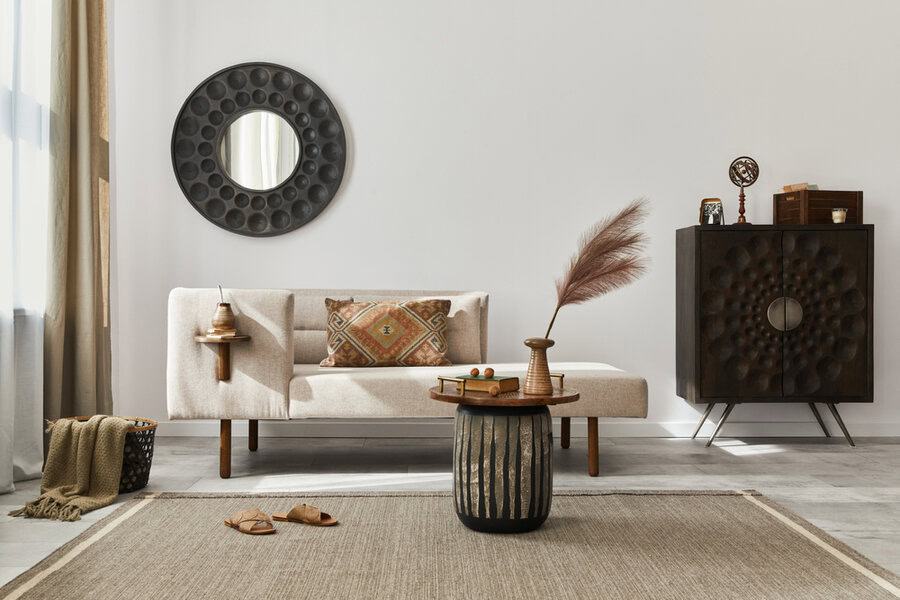
How to Match Flooring with Wall Colours, Furniture & Natural Light
The colours and materials you choose for your floors, walls, and furniture determine how a room looks and feels. To match these elements successfully, you need to understand how they work together with the natural light in your space. Many homeowners struggle with this because they pick each element separately instead of thinking about the whole room.
Getting the right combination makes a home feel complete and well-planned. Light floors can make a small room appear larger, whilst dark floors add warmth and depth to bigger spaces. The walls and furniture must work with these choices rather than fight against them.
This guide explains the basic rules for pairing floors with walls and furniture. It also shows how natural light changes these choices throughout the day. Readers will learn simple ways to create rooms that look polished and feel comfortable.
Fundamental Principles of Coordinating Flooring, Walls, and Furniture
Successful colour coordination depends on understanding how undertones work together, how different floor types affect a room’s feel, and how to balance temperature across surfaces.
Assessing Undertones and Colour Harmony
Every colour contains an undertone that leans either warm, cool, or neutral. Wood floors typically carry yellow, red, or orange undertones that read as warm, whilst grey or taupe floors often contain blue or green undertones that appear cool.
The key is to identify these hidden hues before making decisions. Hold flooring samples against the wall paint cards in natural daylight. The undertones will reveal themselves clearly.
For cohesive results, match undertones across surfaces. A honey-toned oak floor pairs well with cream or beige walls that share warm yellow undertones. Cool grey flooring looks best with walls in soft blue-grey or crisp white. Parquet floors from Luxury Flooring or other brands’ flooring in chevron or herringbone patterns work beautifully with both warm and cool schemes, depending on the wood species selected.
Furniture should bridge the gap between floors and walls. In spaces with warm floors and walls, introduce furniture in similar warm wood tones or fabrics with golden threads. Cool-toned rooms benefit from furniture in grey, navy, or charcoal.
Selecting Flooring Type for Overall Ambience
Different flooring materials create distinct atmospheres. Solid wood brings natural warmth and texture, whilst laminate offers versatility at lower costs. Each type influences how colours appear throughout a room.
Light-coloured floors in pale oak or ash make small spaces feel larger and brighter. They reflect more light and create an airy atmosphere. However, they require furniture and walls in complementary light or mid-tones to avoid a washed-out appearance.
Dark floors in walnut or espresso add drama and depth. They work well with pale walls to create contrast, or with rich jewel-toned walls for a sophisticated look. Dark flooring grounds a space, but can make small rooms feel smaller without adequate light sources.
Mid-tone floors provide the most flexibility. They pair with both light and dark walls without competing for attention. These neutral options suit various furniture styles from contemporary to traditional.
Balancing Warm and Cool Tones
Temperature balance affects how comfortable a space feels. Rooms with too many warm elements can feel overwhelming, whilst spaces dominated by cool tones may seem stark or unwelcoming.
Start with the largest surface, which is usually the floor. If floors lean warm, introduce cool accents through wall colours or furniture fabrics. A golden oak floor benefits from soft grey walls and upholstery with cool blue undertones.
Conversely, cool grey flooring needs warmth from other elements. Pair it with warm white or cream walls and add furniture in natural wood tones or warm textiles. This prevents the space from feeling too sterile.
Consider the room’s natural light as well. North-facing rooms receive cooler light and benefit from warm floors and walls to compensate. South-facing spaces with abundant warm light can handle cooler floor and wall combinations without feeling cold. Balance comes from the thoughtful distribution of temperature across all surfaces rather than matching everything identically.
Integrating Design Elements with Natural Light
Natural light changes throughout the day and affects how flooring, walls, and furniture appear in a space. The direction of light, surface finishes, and colour choices all work together to create balance in a room.
Evaluating Light Direction and Room Function
The direction a room faces determines the quality and quantity of natural light it receives. North-facing rooms get cooler, more consistent light throughout the day. These spaces benefit from warm-toned flooring like honey oak or medium walnut to counteract the blue cast of northern light.
South-facing rooms receive abundant warm light. Homeowners can use cooler flooring tones such as grey oak or ash, without the space feeling cold. East-facing rooms get bright morning light that fades by afternoon, whilst west-facing rooms stay darker until evening when warm sunset light enters.
Room function matters just as much as light direction. Living rooms need flexible lighting that works for both daytime activities and evening relaxation. Bedrooms benefit from softer light reflection, which means matte flooring finishes work better than glossy ones. Kitchens require practical flooring that handles bright task lighting without creating harsh glare.
Choosing Flooring Finishes for Light Reflection
Surface finish controls how much light bounces back into a room. Glossy finishes reflect more light and make small, darker spaces appear larger and brighter. However, these finishes show scratches and require more maintenance.
Matte finishes absorb some light rather than reflect it. They create a softer, more natural appearance and hide imperfections better. Semi-gloss finishes offer a middle ground between high shine and flat matte.
Light-coloured flooring in pale oak, blonde maple, or light grey naturally reflects more daylight than dark options. These colours work well in rooms with limited natural light or north-facing spaces. Dark flooring in walnut, mahogany, or espresso tones anchors bright rooms and prevents them from feeling washed out.
The texture of flooring also affects light behaviour. Smooth surfaces reflect light uniformly, whilst textured or hand-scraped finishes scatter light in different directions for a softer effect.
Complementing Wall Colour with Daylight Variations
Wall colours shift appearance as natural light changes through the day. A soft grey might look blue in morning light and warm in afternoon sun. Homeowners should test paint samples on walls for at least 24 hours to observe these variations.
Rooms with strong natural light can handle deeper wall colours without feeling closed in. Lighter wall colours amplify limited daylight in darker spaces. The undertones in wall paint must align with the undertones in flooring for a cohesive look.
Cool-toned grey or beige walls pair well with light ash or maple flooring in bright rooms. Warm cream or taupe walls complement honey oak or walnut floors in spaces with moderate light. In rooms with abundant south or west light, crisp white walls balance darker flooring without creating a harsh contrast.
Layered lighting from lamps and fixtures fills gaps that natural light leaves throughout the day. This artificial light should work with wall colours and flooring rather than fight against them.
Conclusion
Matching flooring with wall colours, furniture, and natural light requires attention to undertones and how each element works together. Light levels in a room directly affect how colours appear throughout the day, so homeowners should test colour choices in different conditions before making final decisions.
The key is to create balance rather than chase perfection. Neutral flooring provides flexibility for wall colour changes over time, whilst coordinating undertones between floors and walls prevents clashing. Natural light serves as the final piece that ties everything together, as it influences how all colours and materials appear in a space.