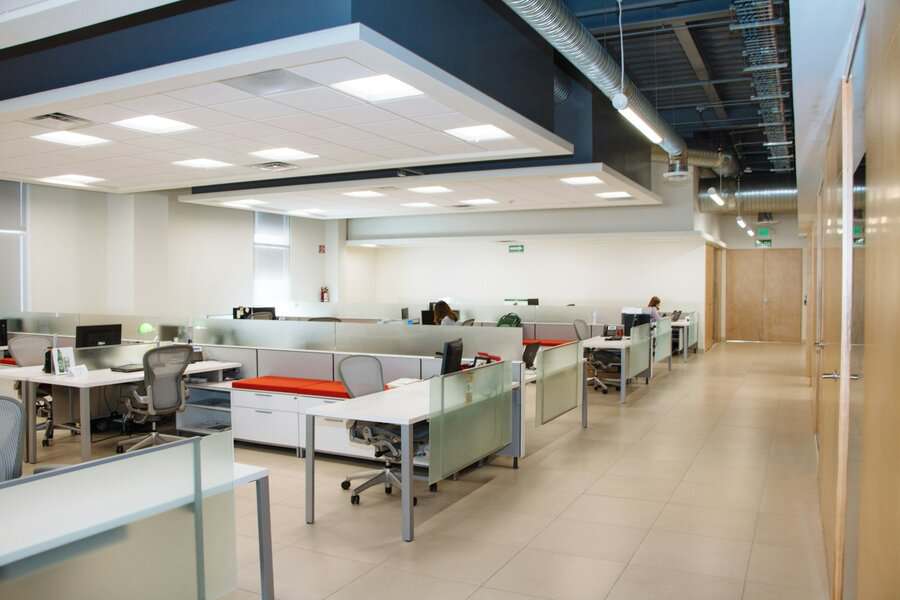
Office Cubicle Layout Planning: Space Standards, Compliance, and Workflow Optimization
Designing an office cubicle layout is more than arranging desks and partitions. It requires careful consideration of space standards, compliance with workplace regulations, and strategies that optimize workflow. A well-planned cubicle layout can enhance productivity, improve employee satisfaction, and ensure that the office environment meets both legal and organizational requirements.
Space Standards in Cubicle Design
Space standards form the foundation of cubicle layout planning. These standards dictate the minimum dimensions required for each workstation, ensuring that employees have enough room to work comfortably. Factors such as desk size, chair clearance, and storage needs must be accounted for when determining cubicle dimensions.
Modern standards emphasize ergonomics, ensuring that employees can maintain healthy posture and access tools without strain. Adequate spacing also supports accessibility, allowing employees with mobility challenges to navigate the office easily. By adhering to space standards, organizations create an environment that balances efficiency with employee comfort.
Compliance with Workplace Regulations
Compliance is a critical aspect of cubicle layout planning. Offices must meet building codes, fire safety regulations, and occupational health standards. This includes ensuring clear pathways for emergency exits, proper ventilation, and sufficient lighting. Electrical wiring and equipment placement must also comply with safety guidelines to prevent hazards.
In addition, labor laws may require specific accommodations, such as accessible workstations for employees with disabilities. Compliance not only protects organizations from legal consequences but also demonstrates a commitment to employee well-being. A compliant cubicle layout fosters trust and confidence among staff, reinforcing the organization’s reputation as a responsible employer.
Workflow Optimization Through Layout Planning
Beyond standards and compliance, cubicle layouts must support workflow optimization. The arrangement of workstations influences how employees interact, collaborate, and move through the office. Strategic planning ensures that teams working closely together are positioned nearby, while departments requiring privacy or focus are placed in quieter zones.
Workflow optimization also involves balancing open collaboration with individual concentration. Cubicles can be arranged in clusters to encourage teamwork, while partitions provide enough separation to reduce distractions. Circulation paths should be designed to minimize congestion, allowing employees to move efficiently between workstations, meeting rooms, and shared resources.
Technology integration further enhances workflow. Cubicles equipped with cable management systems, charging stations, and ergonomic setups reduce downtime and support seamless operations. By aligning layout design with workflow needs, businesses create an environment that maximizes productivity and employee satisfaction.
The Role of Aesthetics in Layout Planning
While functionality is paramount, aesthetics also play a role in cubicle layout planning. A visually appealing office environment can boost morale and reinforce company culture. Incorporating natural light, color schemes, and modern materials into cubicle designs creates a space that feels inviting rather than restrictive.
Aesthetic considerations should complement workflow goals. For example, open layouts with transparent partitions promote collaboration, while muted tones and acoustic panels support concentration. By blending aesthetics with practical design, organizations create a balanced environment that supports both performance and well-being.
Read also: Unique Cubicle Decorations for a Motivating Work Environment
Conclusion
Office cubicle layout planning is a multifaceted process that requires attention to space standards, compliance, and workflow optimization. Properly designed layouts ensure that employees have the space they need to work comfortably, meet regulatory requirements, and support efficient collaboration. When aesthetics are integrated thoughtfully, cubicles become more than functional workstations—they become part of a workplace culture that values productivity, safety, and employee satisfaction. By approaching cubicle design strategically, organizations can create office environments that are both compliant and conducive to long-term success. Discover innovative workspace solutions tailored to modern businesses at corporateofficeint.com, where design meets functionality.