Framing Miami: How to Choose a Photographer Who Actually Gets Your Story
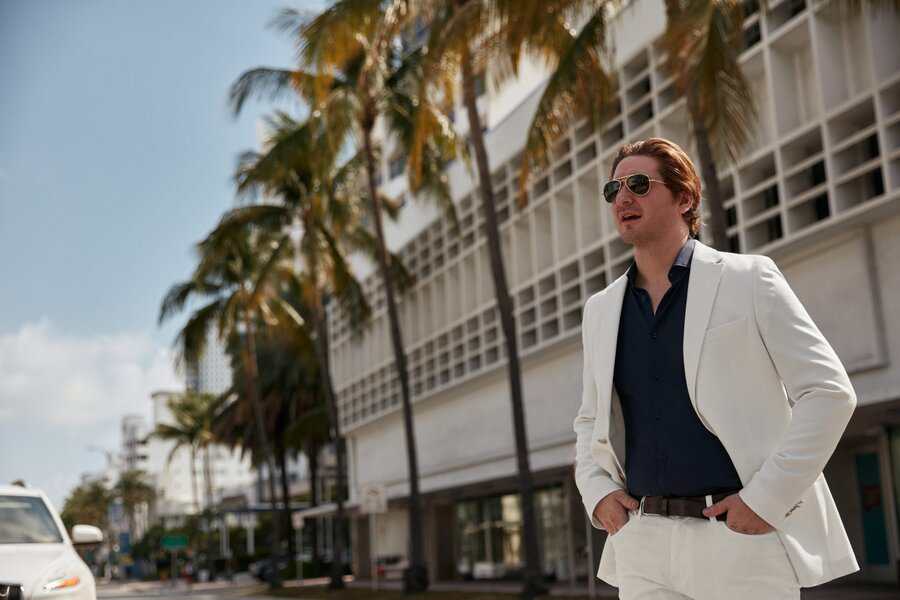
Miami spoils people with color: neon evenings on Ocean Drive, pastel art deco facades, Biscayne’s glitter, Wynwood’s walls, golden-hour skies that refuse to behave. Photos from this city shouldn’t feel generic. They should breathe salt air and move a little, like palm shadows on a sidewalk. That’s the bar.
For anyone planning a brand shoot, proposal, editorial, or just a set of portraits that doesn’t look like everyone else’s, start with a specialist who understands the rhythm of the place—light, crowds, humidity, and the five-minute sunsets that flip from soft pink to flaming tangerine.
What “Miami” Looks Like on Camera
Miami light is fast. Midday burns; late afternoon forgives. Water and glass bounce highlights into faces. The result: images can turn harsh or dreamy within a block. Photographers who thrive here plan for that shift. They scout north–south streets to manage flare, keep reflectors handy for shaded alleys, and time sets around weather apps like they’re air-traffic controllers. That prep is what gives photos the smooth, editorial polish without over-editing or plastic skin. A strong local option to explore is Miami photographer – Daria Koso, whose work leans into clean lines, crisp color, and a candid feel that matches the city’s pulse.
Location matters just as much as timing. A few reliable archetypes:
- Urban pastel: South Beach corners with mint-and-coral facades; tight framing avoids crowds and lets wardrobe pop.
- Industrial texture: Wynwood alleys and side streets, not just murals; concrete, rust, and shadow play well with fashion-forward looks.
- Waterline minimalism: Crandon Park or Key Biscayne for open horizons, negative space, and wind that adds motion to hair and fabric.
- Glass-and-green: Brickell’s towers meet banyans; business portraits with a little breeze.
A good Miami set often mixes at least two of these, so the final gallery feels like a story, not a postcard.
Style That Ages Well
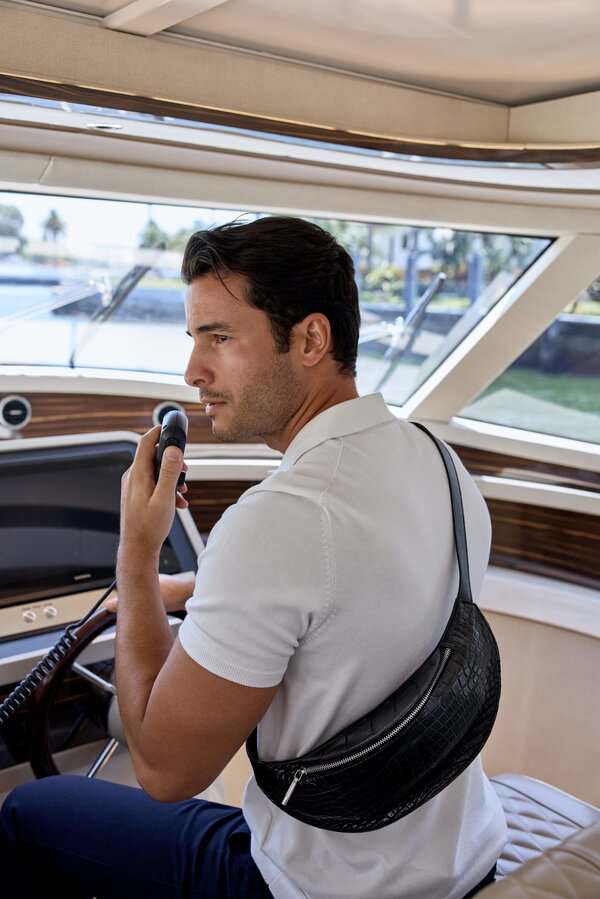
Trends come hard and fade fast: oversaturated teals, heavy skin blurs, extreme orange–teal splits. Clean color, honest skin texture, and precise composition age better. Look for:
- True-to-skin tones in bright sun and shade.
- Highlights under control—white dress on a pier, not blown out.
- Movement—a turn, a step, a hair toss—to avoid stiff, catalog poses.
- Space to breathe—negative space for cropping into website hero sections or vertical reels.
This is where editorial sensibility helps. The best sets read like a magazine feature: a wide establishing shot, a medium frame for context, tight details for mood. That mix works on a portfolio site, Instagram, LinkedIn, and print without feeling repetitive.
Pre-Production: Where Shoots Are Won
The fastest way to waste a session is to show up and “see what happens.” A quick pre-pro checklist changes everything:
- Purpose: brand launch, engagement, actor headshots, maternity, lookbook? Purpose drives wardrobe, lens choice, and backdrop.
- Mood board: 8–12 images max. Not to copy—just to define light, palette, and vibe.
- Wardrobe map: two to four looks, layered pieces for quick swaps, shoes that can walk a few blocks.
- Micro-timeline: golden hour start, two locations within a 10-minute walk, buffer for weather pivots.
Photographers who lead this process set clients at ease on set. Direction becomes lighter, pacing stays calm, and expressions loosen. That’s where candid magic lives.
On-Set Direction (Without the Awkwardness)
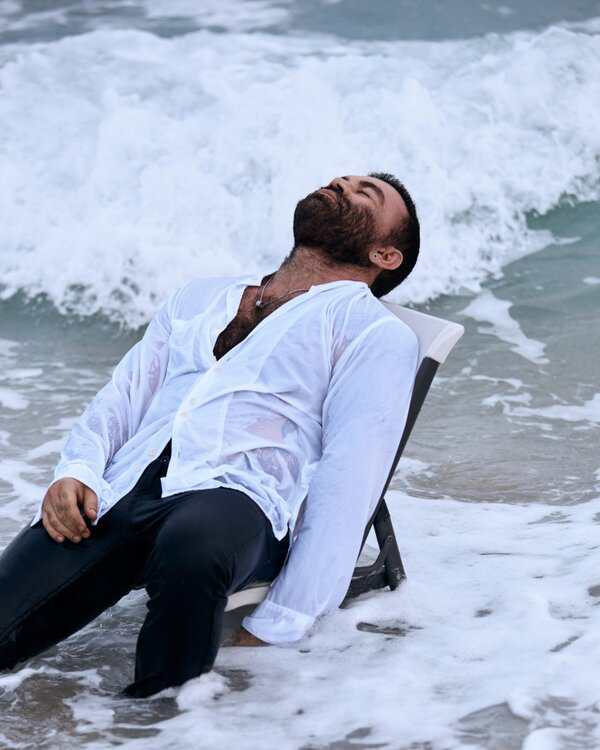
Good direction isn’t a stream of commands; it’s coaching body lines and giving simple beats. “Walk to here, turn, eyes down, now look up.” Hands? Occupy them—braid, bag strap, jacket hem, coffee cup. Small actions keep muscles relaxed. For couples, movement beats static poses every time: walk-and-bump shoulder, spin-and-catch, forehead-touch with eyes closed for two beats. In Miami’s wind, movement also solves flyaway hair. Let it lift; don’t fight it in every frame.
Deliverables That Work in Real Life
Files shouldn’t just be pretty; they should be useful across platforms and campaigns. Ask for:
- A balanced gallery: wide, medium, tight, plus a few vertical “cover” frames ready for Reels and Stories.
- Web-ready exports: 2048px long edge JPEGs, sRGB color, moderated compression for crispness without bloat.
- Print masters: full-res files suitable for large-format prints or magazine submissions.
- A light rights license that covers portfolio, social, and ads (with clear usage terms).
Naming helps more than people expect. A gallery organized by look or location (“Brickell-set,” “KeyBiscayne-sunset”) beats a dump of 300 filenames that read like serial numbers.
Budget, Value, and What You’re Actually Buying
Rates in Miami vary with experience, crew size, and production complexity. What typically moves the needle:
- Scouting and permits when needed (some parks require them; some streets don’t).
- Assistants for reflectors and gear wrangling—worth it in wind or tight timing.
- Retouching depth: light polish for lifestyle, deeper cleanup for beauty and fashion.
The cheapest quote often cuts time where it shows most: prep, direction, and finishing. The best value tends to sit mid-to-upper range with a clear plan, decisive editing, and a gallery that feels intentional from the first frame to the last.
Small Choices That Read Big
A few tactical tips to squeeze the most from a Miami shoot:
- Schedule the set early or late. Noon is for scouting, not skin.
- Choose textures that play with light: linen, satin, open knits; avoid loud micro-patterns that moiré on camera.
- Pack blotting papers and a mini towel; humidity wins without them.
- Bring flats for walking and switch into heels at the mark.
- Lock the shot list, then allow detours when the sky decides to perform.

Why Local Experience Matters
A photographer who works Miami weekly will know which South Beach corners are empty at sunrise, which Wynwood blocks hold color without foot traffic, and how fast clouds run across Biscayne after rain. That fluency turns chaos into a controlled shoot and keeps the gallery consistent. It also helps with plan B. Storm rolls in? Pivot to covered arcades, museum steps, or hotel lobbies with permission and glass light.
The Takeaway
Great Miami photography isn’t luck. It’s timing, locations, clean color, calm direction, and a gallery shaped like a story. Pick someone whose portfolio shows all-day control of light, not just golden-hour miracles. Ask about pre-production. Keep the brief simple and specific. Then let the city do what it does best: provide a backdrop that looks like the memory felt—bright, a little wild, and impossible to fake.