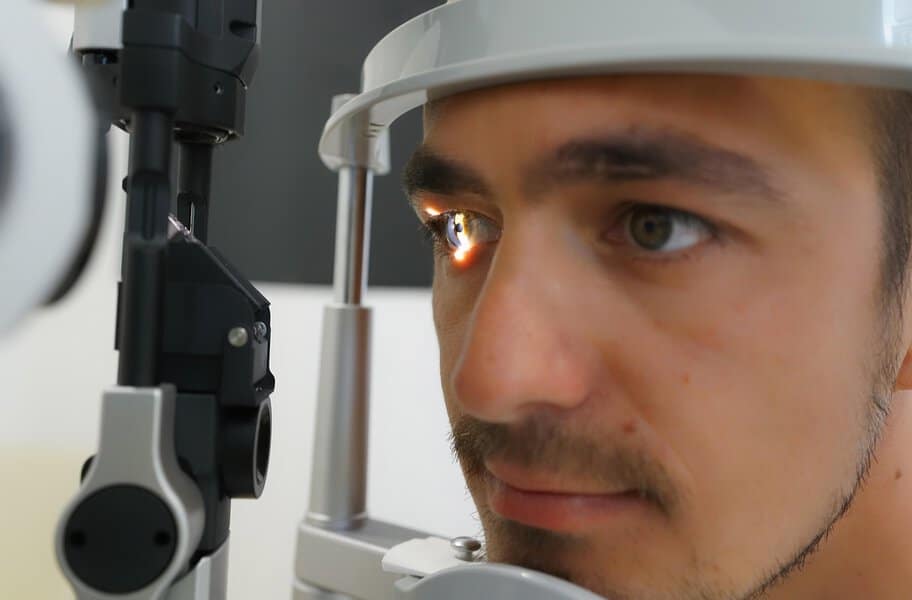
Seeing clearly is part of staying sharp
Clear vision is one of those advantages men tend to appreciate only after it starts slipping. You notice it when street signs look softer at night, when the laptop starts giving you a headache by midafternoon, or when you are holding your phone a little farther away than you used to.
It is easy to write those changes off as fatigue, age, or too many hours in front of a screen. Sometimes that is all it is. But guessing is not much of a strategy. If your vision starts affecting work, driving, training, grooming, or the way you move through the day, it is worth getting a real answer.
Marc S. Werner, MD, from Stahl Eyecare Experts, explains that clear vision is not just about reading an eye chart. For men trying to stay sharp, capable, and independent, eye care is part of the same maintenance mindset that applies to fitness, dental care, skin care, and managing the rest of your health.
Why men often wait too long to get their eyes checked
A lot of men take the “deal with it later” approach to vision. They squint, increase the brightness, buy stronger readers, or avoid driving after dark before they ever schedule an exam. The problem is not always fear. Often, it is efficiency. If the issue seems manageable, it gets pushed behind work, bills, workouts, family obligations, and everything else that feels more urgent.
That works until it does not.
Vision changes can creep in slowly. A prescription shifts. Dry eye gets worse with screen time. Cataracts begin changing contrast and glare. Diabetes, high blood pressure, or other health issues may start affecting the eyes before someone notices a major problem. The CDC notes that some eye diseases may not cause symptoms early on, and that a comprehensive dilated eye exam can find eye disease in earlier stages, when treatment to prevent vision loss may be more effective [1].
That is the part worth taking seriously. Eye care is not only for people who already know something is wrong. It is also how you catch problems before they start making decisions for you.
The American Academy of Ophthalmology has long emphasized age 40 as an important point for adults to get a baseline eye disease screening, especially because early signs of disease and vision changes can begin around that stage [2]. People with risk factors may need to be checked earlier or more often, depending on their health, family history, and symptoms.
This is not about adding another unnecessary appointment to the calendar. It is about knowing the difference between a minor prescription issue and something that needs medical attention.
The everyday signs that something has changed
Most vision problems do not announce themselves with drama. They show up in small, irritating ways.
You might notice that night driving takes more concentration than it used to. Headlights may seem harsher. Street signs may not sharpen until you are closer. A dim restaurant menu may be harder to read. Your eyes may feel strained after a long stretch at the monitor, even if your setup has not changed.
There are also grooming clues. If shaving, trimming facial hair, applying skincare, or checking details in the mirror becomes harder, that can signal a near-vision change. The same goes for missing small text, struggling with labels, or relying more often on phone zoom.
Some symptoms are more urgent. The CDC advises seeing an eye doctor as soon as possible for decreased vision, eye pain, redness or drainage, double vision, floaters, halos around lights, or flashes of light [1]. New flashes or a sudden increase in floaters deserve particular attention. The American Academy of Ophthalmology warns that suddenly seeing new floaters and flashes could mean a retinal tear or detachment, which is serious and needs prompt care [3].
Other signs may not be emergencies, but they still deserve an appointment:
- blurry vision that keeps coming back
- frequent headaches after reading or screen use
- trouble seeing clearly at night
- needing brighter light for close work
- repeated eye redness or irritation
- contact lenses that suddenly feel less comfortable
- a prescription that no longer seems to work
- one eye feels different from the other
The point is not to diagnose yourself from a list. The point is to stop treating repeated changes as background noise. If your eyes are making daily tasks harder, they are giving you useful information.
When an eye specialist can give you a better answer
There is a difference between buying readers at the drugstore and understanding what is happening with your eyes.
A routine vision check can tell you whether you need glasses or a prescription update. That matters. But an eye specialist can also evaluate eye health, look for medical causes of symptoms, and identify whether a problem involves the cornea, lens, retina, optic nerve, tear film, or another part of the visual system.
That distinction becomes important when symptoms are not simple. Blurry vision could be a prescription change. It could also be dry eye, cataracts, diabetes-related eye disease, corneal irregularity, medication effects, or another condition. Glare at night might be a lens issue, a cataract issue, or a surface-of-the-eye issue. Redness could be irritation, allergy, infection, contact lens overwear, or inflammation.
You do not need to know which one it is before making the appointment. That is the point of the appointment.
A specialist exam can also give you better options. If glasses are enough, great. If contact lens habits need to change, that can be addressed. If cataracts are starting to affect driving or daily function, you can learn what the timeline looks like. If LASIK or PRK is on your mind, proper testing can show whether you are a candidate rather than leaving you to guess based on age, prescription, or internet searches.
For men who like practical answers, this is the useful part: a good exam separates guesswork from a plan.
Read also: What Do Colorblind People Actually See?
Making eye care part of a stronger routine
A stronger routine does not have to be complicated. It starts with paying attention to patterns.
If you work at screens, give your eyes regular breaks and notice whether strain is occasional or constant. If you wear contacts, do not treat redness or discomfort as the cost of doing business. If you drive at night, be honest about glare, halos, and reaction time. If you are over 40, do not assume every near-vision change is harmless just because it is common.
Good eye care also means protecting your eyes the way you protect the rest of your body. Wear quality sunglasses outdoors. Use protective eyewear for tools, sports, yard work, or anything with flying debris. Keep contact lenses clean and replace them as directed. Manage health conditions like diabetes and high blood pressure with the understanding that they can affect the eyes, too.
It is also smart to know where to go when a routine check is not enough. For readers in the New York area, the practice’s Garden City, Hauppauge, and Manhattan offices offer comprehensive eye exams and ophthalmology care that can help sort out whether a vision change is routine, refractive, surgical, or medical.
Seeing well is not vanity. It is a function. It affects how you work, drive, train, read, move, and present yourself. If something has changed, do not build your routine around the problem. Get it checked, understand what is going on, and make the smarter move.
References: [1] Centers for Disease Control and Prevention. (2024, May 15). Why eye exams are important. CDC. [2] American Academy of Ophthalmology. (2026, April 30). Get an eye disease screening by age 40. AAO. [3] Ameri