When Discipline Isn’t Enough: The Truth About Stubborn Fat and Modern Solutions
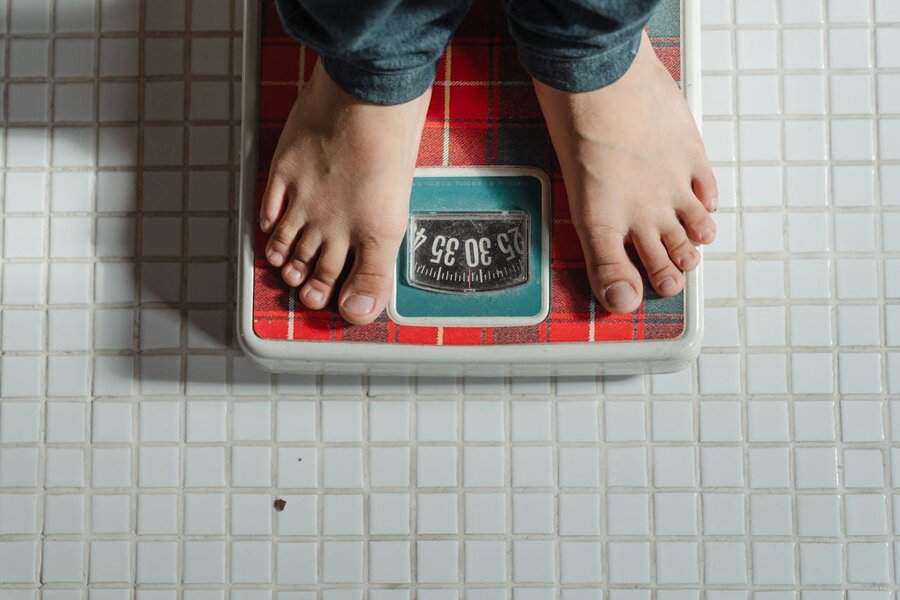
Not everyone who finds it hard to lose weight starts from zero. Some log regular workouts, track meals, yet still carry extra pounds. Discipline comes naturally – they already get routine workouts, meal planning, and nutrition basics. What changes is expectation versus reality. Still, after many months or sometimes two years, some things just won’t shift. Below the belt, the tissue stays loose. Around the sides, everything grips tight. Front and center, the upper torso stays full, unlike the rest. That moment shows something deeper than a lack of drive. It points to the truth about stubborn fat and modern solutions.
Why Some Fat Is Harder to Lose in Men
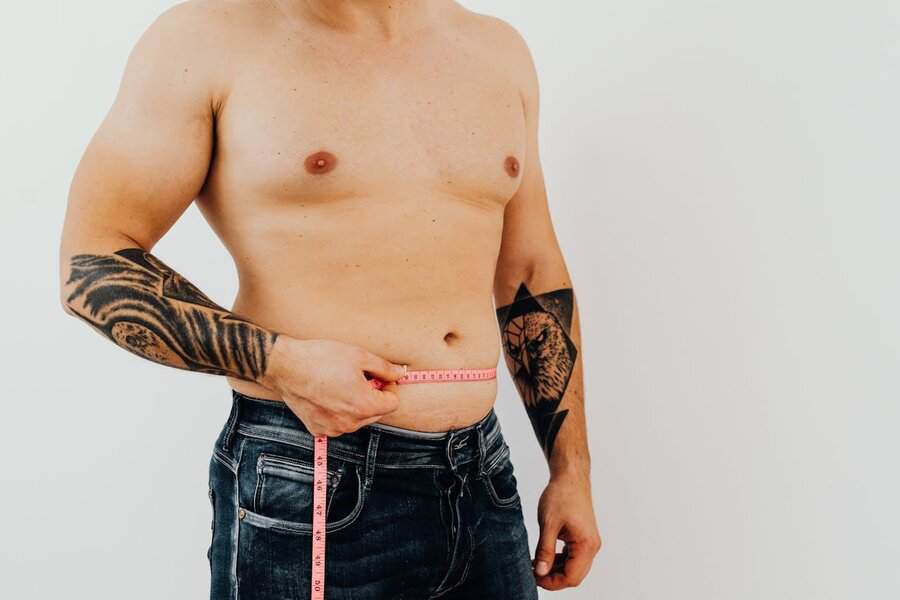
Fatty patches often stick around in certain spots for men – belly, bottom, sides near the ribs, outer hips, maybe even middle chest, where it ties back to genes, body chemistry, hormones, and time passing. With years going by, changes in the balance of hormones plus dampened inner engines only deepen difficulty, no matter how hard or fast workouts get.
Fatty tissue sticks around, limiting circulation. Its reaction to metabolic hormones isn’t always the same as in other areas. One area shrinks fast; another holds tight. Doing more workouts might help less now than before. Cutting daily food intake, drinking celery juice, and doing cleanses could slow down progress instead of speeding it up.
When Training and Diet Hit a Wall
After sorting out daily habits and hitting a steady weight, trouble shedding extra fat usually ties back to body physics rather than what you eat or do. At this point, serious options – like surgical fat removal – start making sense.
Focused on spots where exercise fails, surgery for excess fat offers a clear path when diet alone isn’t enough. Take areas like the midsection, sides, breast zone, or hip region – here, tools like liposuction scoop out fat altogether. Men already carrying a defined physique might view this as fixing lingering issues instead of taking a quick route.
What happens next depends on what everyone agrees to at the start. Getting rid of fat through surgery won’t help much if habits stay unchanged. Often, people choosing this path are males who nearly match their target weight but still carry extra fat in certain spots. Improving clarity around goals makes discussions easier. Starting any new procedure needs clear talk with a trained doctor about how long it takes to work, possible dangers, and ongoing care after treatment.
Non-Surgical Options for Targeted Fat Reduction
Many men do not choose surgery. Instead, some find helpful alternatives at medspas without needles or scalpels. These approaches rely on precise thermal or cold stimulation to weaken fat cells, setting off a natural cleanup process over time. Results tend to be subtle, depending on how well the body handles the triggered clearance. What matters most when using these non-surgical treatments is patience. Over days, then weeks, effects build slowly, sometimes needing several rounds before anything shows. Progress usually feels quiet, nothing sudden or flashy. Yet, for guys dealing with minor patches of excess fat and wanting quick recovery, such methods might just fit.
Still, the truth about stubborn fat and modern solutions is that options without surgery come with drawbacks. Precision just isn’t the same – no tool beats what surgery does when trimming fat. Knowing that beforehand keeps hopes realistic and avoids feeling letdown.
The Practical Frustration of Stubborn Fat
When results lag behind effort, frustration shows up naturally. For many men, building muscle or losing fat isn’t about feeling good – it’s about getting things done. An effort that doesn’t match the outcome creates tension that makes sense. When results stall, some men push even more – lifting longer, cutting calories steeper – but this often drains energy, strips muscle, or wears down motivation, still leaving the root issue untouched. Facing that outcome, sticking to the old method might not help nearly as much as stepping back and looking at a different way forward. Seeing there’s a certain amount of fat that’s normal and natural to have makes it easier to let go of guilt and judge choices less harshly.
Choosing the Right Approach
Every person faces a different path. A few guys keep doing what they do, living with specific trade-offs to get the benefits of weight loss. Some look into alternative options, hoping small gains can make a difference. When it comes to clear results for men targeting certain zones, removing fat through surgery often delivers a stronger impact.
Picking the correct path comes down to what you want, how much system downtime you’re ready to accept, and where you see things going over time. Start by getting clear details from skilled experts who give straight answers about what works – and what does not – without hiding potential drawbacks.

Maintaining Results Long-Term
Even after starting down one path, staying steady matters most once it’s done. Out of a removed pad of fat during surgery, there’s no coming back to that spot – yet shifts in daily life might feed those empty cells again. In much the same way, nonsurgical methods bank on how the body handles things on its own to keep things looking right.
Most men already know what upkeep means – steady workouts, mindful eating, adjusting how they see progress as bodies change over time. New tools today might tweak definition or detail, yet perform best alongside habits that started it all, quiet and consistent. What shifts is where energy goes: instead of pushing through walls that refuse to budge, it flows toward holding ground earned through years of routine.
A More Realistic View of Results
Starting strong lays the base. Good habits boost how you feel, work out, and shape up naturally. Still, the truth about stubborn fat and modern solutions is that no amount of routine can change inherited traits, body chemistry, or time taking its toll. When effort no longer moves the needle, today’s fat-reduction methods aim to polish outcomes. Seeing clearly where expertise ends and treatment begins changes the conversation – less confusion, less disappointment.