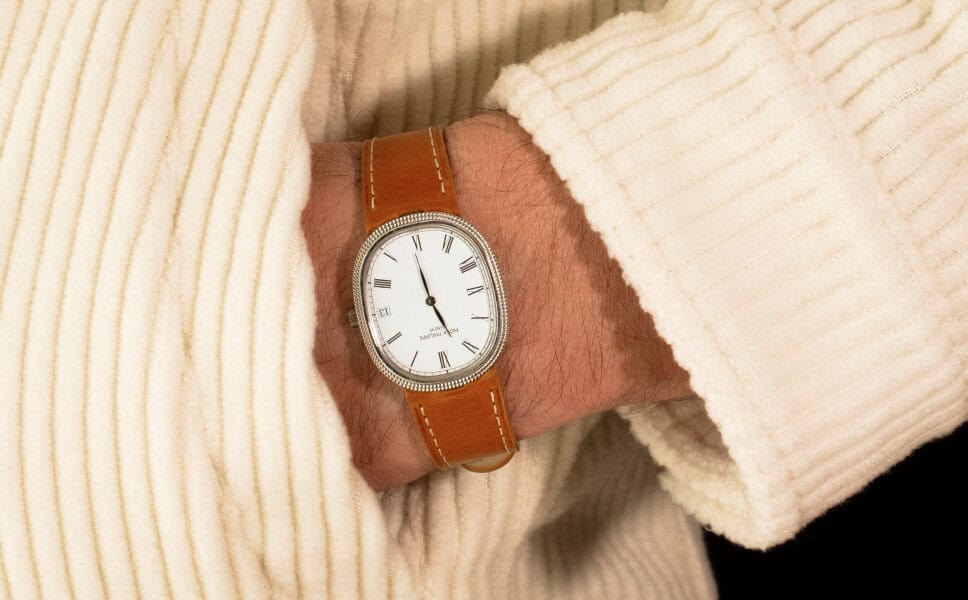
Source: grygorian.com
How to Start a Vintage Watch Collection Without Making Costly Mistakes
Collecting vintage watches often begins with a simple instinct, where even details like custom luxury watch box packaging can reflect the same sense of taste: a case shape that feels right, a dial that holds attention a second longer than expected, a detail that does not quite exist in modern production. What follows, however, is far less intuitive. The vintage market does not reward impulse in the same way contemporary retail does. Two watches that appear nearly identical can differ dramatically in value, depending on nuances that are not immediately visible.
This becomes particularly evident within the world of men’s vintage watches, where early decisions tend to shape everything that follows. Buying vintage is not about choosing a model, but about understanding a piece in its context. The first watch quietly defines what feels “correct” on the wrist, proportion, weight, finishing, even the way a dial evolves over time. For this reason, experienced collectors rarely think in terms of isolated purchases, but in direction, knowing that a collection is formed long before it is fully assembled.
Understanding What “Vintage” Actually Means
In horology, “vintage” usually refers to watches that are around 20-30 years old or more, rather than being defined by a strict cutoff date. While many pieces from before the 1990s fall into this category, watches from the early 2000s can also be considered vintage today.
A vintage watch is not simply “old.” It reflects a different approach to proportion and function. Early quartz-era pieces mark a transitional moment when new technology briefly challenged mechanical traditions.
What makes a watch collectible is rarely obvious. Provenance, originality, condition, and rarity work together. A watch with an untouched dial and correct components will almost always hold more long-term value than one heavily restored. Authenticity outweighs surface perfection.
Begin With Direction, Not Budget
One of the most common mistakes among new collectors is starting with budget rather than intent. Price alone rarely leads to a coherent collection. Most collectors, often without realizing it, move within three overlapping directions.
Design-Led Collecting
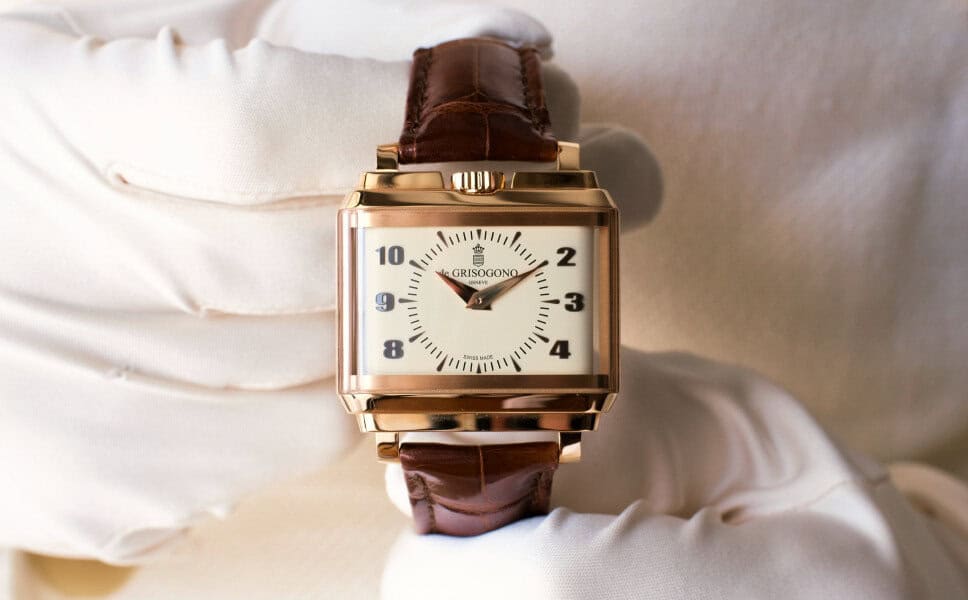
The first is design-led collecting, where attention is driven primarily by proportion, shape, and overall visual balance. In this category, watches are chosen for how they sit on the wrist and how consistently their design holds together. Typical points of focus include:
- case geometry and proportions
- dial layout and symmetry
- thickness and overall profile
Mechanical Complexity
The second is mechanical interest, where attention shifts inward, toward how the watch is built: complications, early movements, and the correctness of internal components.
Brand Heritage
The third direction is brand heritage. In this case, collecting becomes a study of consistency and evolution across decades. Certain houses remain central not simply because of name recognition, but because their designs and technical decisions shaped broader industry standards over time.
Where Collectors Commonly Misstep
Most mistakes in vintage collecting are subtle. They rarely look like mistakes at first, which is why they are so common.
Over-Restoration
Over-restoration is one of the most frequent issues. A polished case or refinished dial may seem appealing, but it often removes original surface history that cannot be recreated. More experienced collectors tend to prioritize:
- natural patina
- untouched dial surfaces
- original case geometry and finishing
In many cases, visual perfection can be a warning sign rather than a strength.
Movement Integrity
A watch is defined internally as much as externally. Complicated pieces make this more obvious, but the same principle applies to simpler watches.
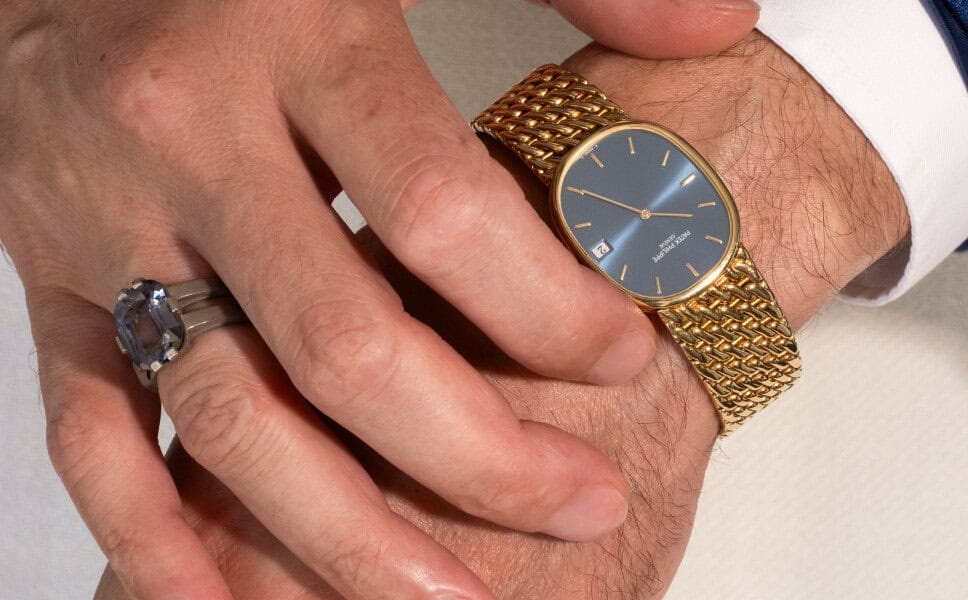
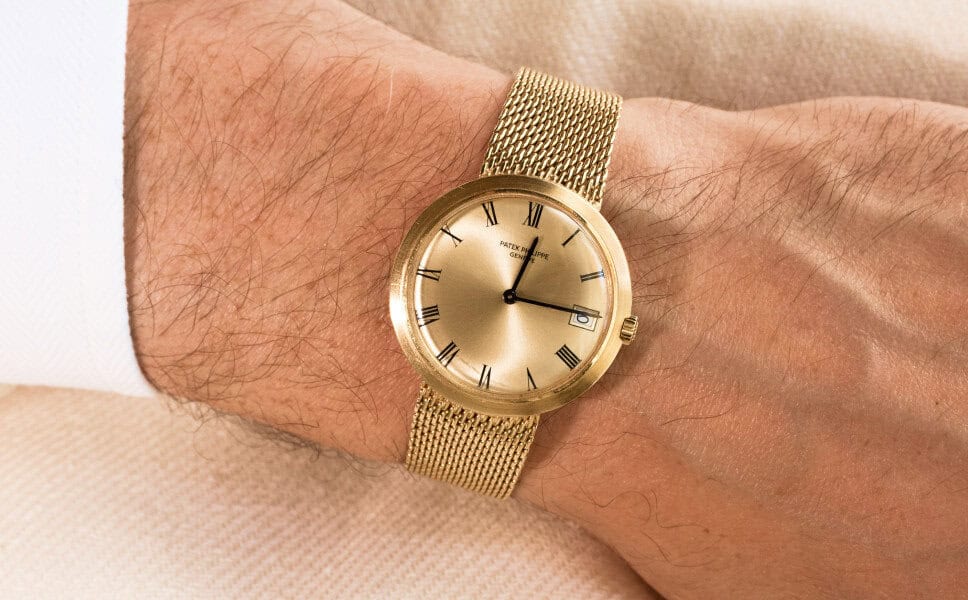
A time-only model such as a Patek Philippe Calatrava illustrates this well. Known for its restrained design and emphasis on proportion, it leaves little room for error. Its value depends heavily on dial originality, case condition, and the correctness of its movement. Because the design is so minimal, even small changes can significantly affect how the watch is perceived.
Context
Context is another essential factor. Many vintage watches only reveal their significance when understood within the design language of their brand and era.
Building a Collection With Internal Logic
A meaningful collection rarely comes together at random. Over time, patterns begin to emerge, even without a clear plan. You may notice a preference for certain materials, proportions, or a particular design language that repeats across different pieces.
Sometimes this appears through material choices:
- yellow gold, with its warmth and classical feel
- white gold, more restrained and understated
- steel, valued for versatility and everyday use
In other cases, the pattern is tied to a specific period, from the clarity of the 1950s to the more expressive forms of the 1970s or the transitional feel of the 1980s.
What matters is how these choices relate to each other. A Cartier Tank, particularly the original design that became an icon of 20th-century watchmaking, and a Rolex Datejust 36 may seem different, yet both are considered enduring references in watch design. The Tank Must line, while more accessible, continues this visual language in a simplified form.
Together, they reflect a shared sense of proportion and wearability across decades. Coherence comes not from similarity, but from intention.
How Value Develops Over Time
In vintage watches, value rarely follows a straight or predictable path. It shifts over time, shaped by availability, condition, and changing collector interest. As well-preserved examples become harder to find, pieces that once seemed secondary often start to stand out for different reasons.
This is especially true for watches that were initially overlooked. Over time, their design and place within the broader history of watchmaking are reconsidered, and they begin to feel more relevant than they once did.
Final Perspective
Collecting vintage watches rewards patience more than speed. Observation, comparison, and familiarity matter more than immediate acquisition. Most early mistakes come from misreading context rather than financial decisions. Understanding builds gradually through exposure, until patterns become natural. And even then, part of the appeal remains in the fact that every watch carries time in its own, unrepeatable form.