The Rise of On-Demand Manufacturing in the UK
Factories no longer need to sit idle while waiting for large orders. Across the UK, a quieter shift is taking place as manufacturers respond to pressure for faster turnaround, tighter budgets, and local supply.
On-demand manufacturing has moved from a niche option to a practical solution for businesses that want parts made when they’re needed, not months in advance. This change reflects how British industry is adapting to new economic realities, with several clear forces shaping its rapid growth.
Why UK Manufacturing Models Are Changing
Several factors have pushed UK firms away from bulk production. Rising storage costs, supply chain disruption since Brexit, and uncertainty around overseas shipping have forced companies to rethink how much they make and when. Instead of holding large volumes of stock, many businesses now order components only after demand is confirmed.
Small and medium-sized enterprises have felt this shift most strongly. With limited warehouse space and tighter cash flow, on-demand production reduces waste while keeping operations lean. It also supports reshoring, with more UK-based workshops handling short runs that once went abroad.
Technology Making Short-Run Production Practical
Advances in CNC machining, digital design, and automated cutting have made small-batch manufacturing far more efficient than it was a decade ago. Designs move from screen to machine quickly, which cuts delays and limits manual handling.
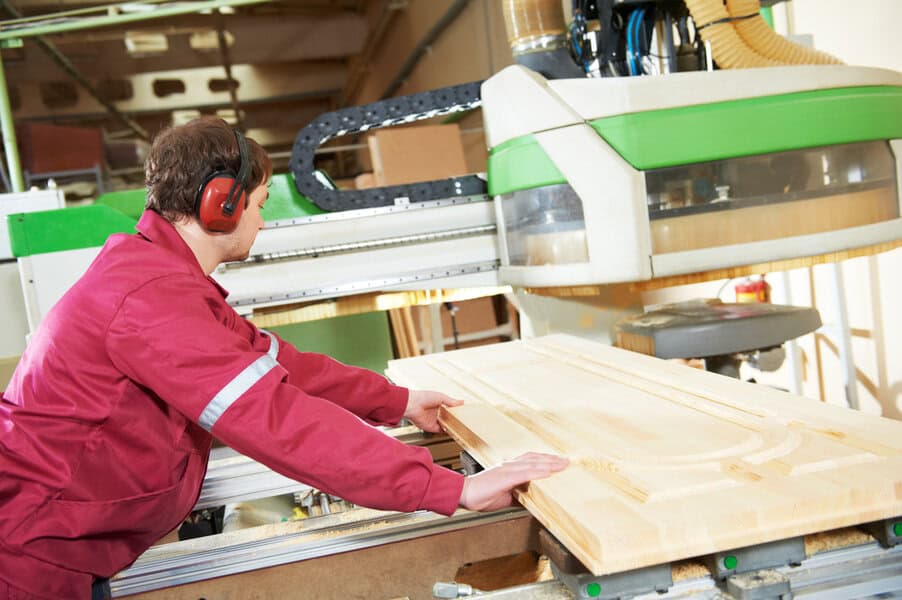
In fabrication, CNC routing has become a common example of this approach. Businesses needing panels, housings, or custom parts often rely on a professional CNC routing service to produce accurate components without committing to large quantities. This setup suits sectors such as signage, retail fit-outs, education, and light engineering, where specifications change often and speed matters.
Local Supply and Faster Turnaround
On-demand manufacturing also supports local supply chains, something UK firms increasingly value. Producing parts closer to home reduces transport time and helps manage sudden changes in demand. During recent supply disruptions, companies with UK-based suppliers often recovered quicker than those relying on long overseas routes.
Shorter lead times don’t just help manufacturers. Designers, builders, and installers benefit too, as projects face fewer delays caused by missing or incorrect components. This flexibility has helped keep projects moving in construction, public sector work, and refurbishment.
Sustainability and Material Efficiency
Waste reduction plays a growing role in this shift. Making only what’s needed cuts surplus stock that might never be used. Material efficiency improves when designs are adjusted per order rather than fixed for mass output.
In the UK, this aligns with wider sustainability goals across industry. Reduced storage, fewer transport miles, and better material use all support lower environmental impact without requiring radical changes to existing processes.
What This Means for UK Businesses
On-demand manufacturing suits businesses that value control, speed, and adaptability. It allows firms to test ideas, adjust designs, and respond to clients without long commitments. For many, it’s become part of normal operations rather than a specialist option.
As more UK workshops invest in digital fabrication and CNC capability, access to short-run production continues to improve nationwide.