How Visible Tattoos Can Affect Your Criminal Case: What Florida Defense Attorneys Actually Do About Jury Bias
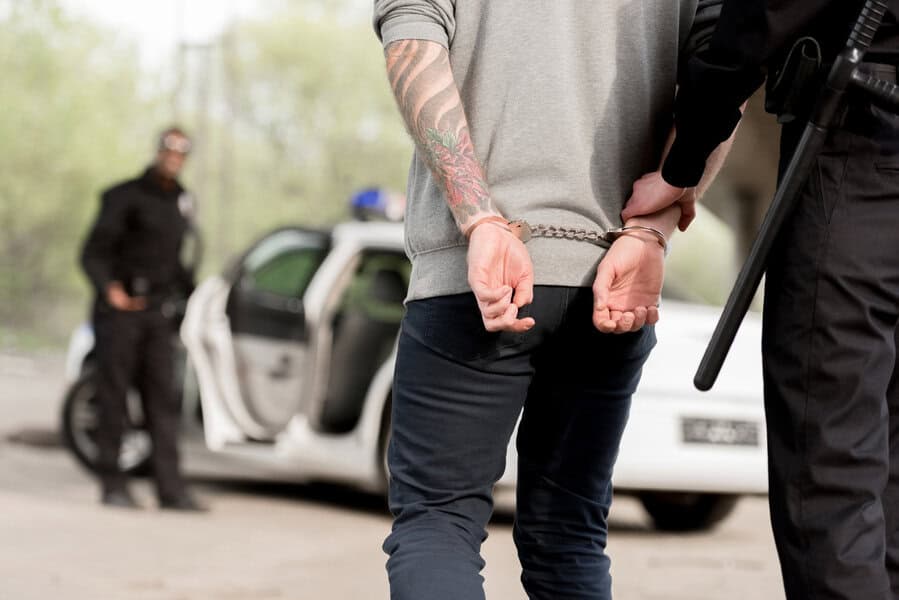
Your sleeve tattoo might be a conversation starter at the gym or a mark of personal identity, but in a Florida courtroom, it could become an unexpected factor in how jurors perceive you. While tattoos have become mainstream with nearly 30% of Americans sporting at least one, research suggests that visible body art can still trigger implicit biases that affect jury decision-making. Understanding how defense attorneys navigate this challenge can make a significant difference in criminal proceedings.
The Psychology Behind Jury Perception of Tattoos
Studies examining juror attitudes reveal a complex relationship between body art and perceived credibility. Research published in legal psychology journals shows that jurors may unconsciously associate visible tattoos, particularly those on the face, neck, or hands, with aggression, impulsivity, or criminal behavior. This bias exists even among jurors who have tattoos themselves.
The type, placement, and content of tattoos matter significantly. A small, discrete tattoo typically generates less bias than full sleeves or facial ink. Similarly, tattoos with violent imagery, gang-related symbols, or offensive content can dramatically impact how jurors assess a defendant’s character and likelihood of guilt. This psychological phenomenon occurs regardless of the actual evidence presented in the case.
Strategic Wardrobe Choices and Courtroom Appearance
Florida defense attorneys employ several practical strategies to mitigate tattoo-related bias during trial. The most straightforward approach involves clothing selection. Long-sleeved dress shirts, high collars, and professional attire can conceal many visible tattoos without requiring any modification to the body art itself.
For defendants with hand or neck tattoos that can’t be easily covered, attorneys may recommend specialized makeup designed to conceal ink. Professional makeup artists who work with legal teams can provide tattoo coverage that withstands the duration of a trial day. Some defense teams even conduct mock trials to test whether coverage techniques appear natural under courtroom lighting.
Voir Dire: Addressing Bias Head-On
The jury selection process, known as voir dire, gives defense attorneys the opportunity to identify and address potential tattoo-related bias before trial begins. Skilled attorneys ask carefully crafted questions to gauge prospective jurors’ attitudes toward body art without drawing unnecessary attention to their client’s appearance.
When handling criminal cases in Florida, defense lawyers may ask indirect questions about personal expression, appearance-based judgments, or whether jurors can separate physical appearance from evidence. This approach helps identify jurors who may harbor strong negative views about tattoos while preserving challenges for those who demonstrate clear bias. A local criminal defense professional experienced in jury selection understands how to balance these considerations while building the strongest possible jury panel.
When Tattoos Become Evidence
In some criminal cases, tattoos themselves become relevant evidence. Gang-related ink, tattoos depicting crime scenes, or body art that connects to specific criminal allegations can’t simply be hidden. In these situations, defense attorneys must develop more sophisticated strategies.
Defense teams may retain expert witnesses who can testify about tattoo culture, explaining that specific symbols or images don’t necessarily indicate gang membership or criminal intent. They might present evidence showing the defendant obtained certain tattoos before or after the alleged criminal activity, establishing timeline inconsistencies. In some cases, attorneys argue for the exclusion of tattoo evidence entirely if its prejudicial impact outweighs its probative value.
The Broader Context of Appearance Bias in Court
Tattoo bias exists within a larger framework of appearance-based judgments that affect criminal proceedings. Research from the National Institute of Justice indicates that factors like clothing, grooming, and physical presentation significantly influence juror perceptions of credibility and guilt. Defense attorneys must consider how all these elements interact to create an overall impression.
Modern defense strategy recognizes that while tattoos are increasingly accepted in society, courtrooms remain conservative environments where traditional standards of appearance still carry weight. This doesn’t mean defendants must deny their identity or personal expression; rather, it means making informed decisions about presentation during the specific context of a trial.
Moving Forward: Your Rights Don’t Change With Your Appearance
Regardless of your tattoos or appearance, your constitutional rights remain the same. You’re entitled to a fair trial, an impartial jury, and competent legal representation. While visible body art may create additional strategic considerations, experienced defense attorneys have developed effective methods for addressing potential bias.
If you’re facing criminal charges, discussing your appearance, including visible tattoos, with your legal team should be part of your overall defense strategy. Being proactive about these considerations early in the case allows your attorney to develop comprehensive approaches that protect your rights while presenting you in the most favorable light possible to the jury.