Antarctic Expedition Cruises: Small-Ship Wildlife Adventures in the White Continent
The Antarctic tourism sector has evolved significantly, with expedition-style cruising becoming the preferred method for experiencing Earth’s southernmost continent. Small-ship operators demonstrate higher guest satisfaction rates due to enhanced wildlife access and reduced environmental footprints. Expeditions offered by companies such as Poseidon Antarctica cruises typically accommodate fewer than 200 passengers, enabling compliance with international landing regulations while maximizing time ashore. The expedition model focuses on authentic wilderness encounters, scientific enrichment, and minimal environmental impact through education and responsible practices.
Understanding Small-Ship Antarctic Expedition Cruises
Small expedition vessels offer advantages impossible to achieve with larger cruise ships. The expedition model emphasizes direct engagement through Zodiac landings, expert-led excursions, and flexible itineraries adapting to weather and wildlife opportunities. Industry operators follow comprehensive environmental guidelines ensuring expeditions maintain strict standards while providing safe, enriching experiences.
Key advantages of small-ship expeditions include:
- Simultaneous shore access: Regulations permit only 100 passengers ashore simultaneously. Small ships eliminate group rotations, allowing all guests to experience landings together.
- Enhanced wildlife encounters: Smaller vessels navigate narrow channels and shallow bays inaccessible to larger ships, reaching remote penguin colonies and whale feeding grounds.
- Extended exploration time: Without rotation requirements, small-ship passengers achieve 2-3 landings daily with approximately 2.5 hours per person off-ship.
- Intimate educational experience: Lower passenger numbers enable direct interaction with expedition teams through personalized lectures, photography workshops, and citizen science participation.
Wildlife Viewing Opportunities Throughout the Austral Summer
The Antarctic season spans November through March when 24-hour daylight and moderate temperatures create optimal conditions for wildlife and visitors. Each period offers distinct viewing opportunities as species progress through breeding, molting, and migration cycles.
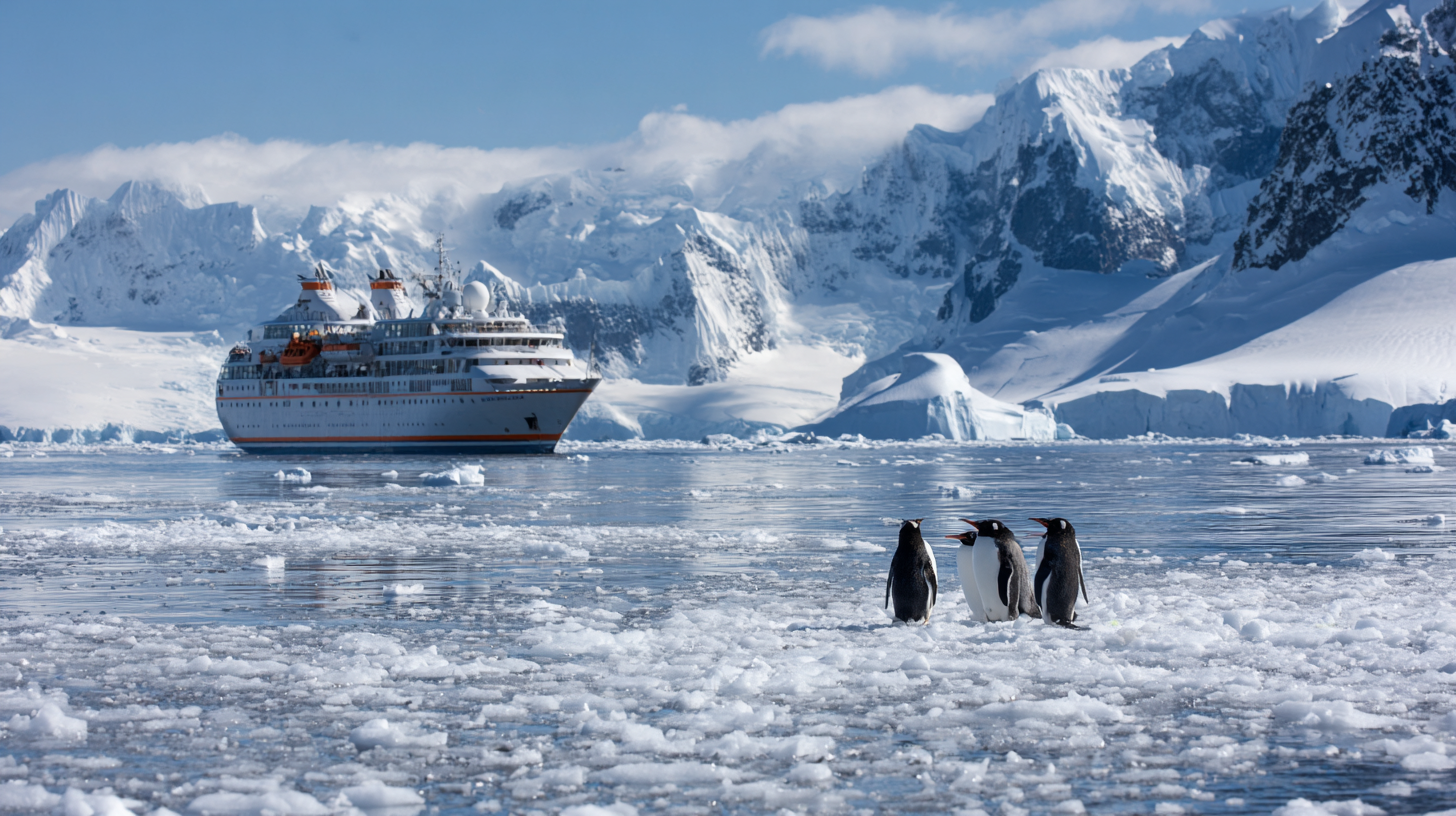
Early Season Encounters: November-December
November marks the season’s beginning when the Antarctic Peninsula remains blanketed in pristine snow, offering photographers unparalleled opportunities. Penguin species including Adélie, gentoo, and chinstrap establish territories and initiate courtship behaviors. Seal populations concentrate on stable ice platforms, with Weddell seals birthing pups while leopard seals patrol ice edges hunting prey.
Peak Season Wildlife Activity: January-February
Mid-season expeditions witness the Antarctic ecosystem at its most vibrant. Penguin chicks emerge, transforming colonies into bustling nurseries. The krill-rich waters attract multiple whale species, with humpback, minke, and orca populations concentrating in productive feeding areas. Research conducted by NOAA Fisheries’ Antarctic Ecosystem Research Program demonstrates that Antarctic krill form the foundation of Southern Ocean food webs, supporting everything from seabirds to the largest whales.
Extended daylight provides more than 20 hours of usable light daily, enabling longer excursions. The combination of active animal behavior and optimal weather makes January-February particularly attractive for wildlife enthusiasts.
Wildlife species commonly observed:
- Penguin colonies: Adélie, gentoo, and chinstrap penguins on coastal sites; rare emperor penguins in specialized areas.
- Marine mammals: Humpback whales, orca pods, Weddell seals, crabeater seals, and leopard seals.
- Seabird populations: Giant petrels, Antarctic terns, blue-eyed shags, and various albatross species.
- Additional species: Fur seals, elephant seals, Antarctic minke whales, and occasional blue whale encounters.
Essential Expedition Activities and Experiences
Antarctic expeditions offer diverse activities transforming observation into active engagement. Zodiac excursions ferry guests from ship to shore multiple times daily, navigating ice fields and approaching wildlife while maintaining protocol distances established by the International Association of Antarctica Tour Operators. Kayaking programs provide water-level perspectives, with paddling among ice sculptures creating profound wilderness connections.
Antarctic camping represents the most immersive activity available. Participants spend a night on snow using specialized equipment, experiencing midnight sun and absolute silence. Expedition teams comprise polar professionals including biologists, ornithologists, and geologists who deliver lectures on topics from penguin behavior to ice core research.
Must-do expedition activities:
- Zodiac cruising among tabular icebergs and along penguin-populated shorelines, allowing close wildlife observation while respecting mandated distance protocols.
- Shore landings at historic sites including abandoned whaling stations, early explorer huts, and active research stations where scientists share ongoing projects.
- Kayaking excursions through ice-filled bays and protected channels, paddling beneath glacier faces and alongside curious seals.
- Photography workshops covering polar light conditions, wildlife behavior anticipation, and composition techniques specific to Antarctic environments.
Planning Your Antarctic Expedition Journey
Selecting expeditions requires considering season timing, itinerary focus, vessel size, and activities. Early bookings secure preferred cabins and early-bird pricing, with operators offering substantial discounts for commitments made 12-18 months ahead. The expedition industry operates within strict frameworks established by international agreements, ensuring tourism maintains minimal environmental impact.
Preparation includes physical conditioning, equipment acquisition, and mental readiness for expedition travel. While summer temperatures average near freezing, wind chill requires specialized clothing. Most operators provide expedition parkas and boots, but guests supply base layers and accessories.
Key planning considerations:
- Optimal timing: Early season offers pristine conditions and courting wildlife; mid-season provides peak activity and extended daylight; late season features dramatic sunsets and whale concentrations.
- Itinerary selection: Classic Peninsula voyages span 10-12 days; extended expeditions include South Georgia over 20-24 days; specialized journeys target Antarctic Circle crossings.
- Pre-expedition preparation: Physical fitness for shore landings, cold-weather clothing, travel insurance with polar coverage, and flexibility for weather-driven modifications.
The expedition experience extends beyond wildlife observation to encompass profound personal transformation through immersion in Earth’s most extreme environment. Travelers frequently report that Antarctic journeys fundamentally reshape their perspectives on climate, conservation, and humanity’s relationship with wilderness. The continent’s vastness and fragility create powerful emotional responses that persist long after departure, inspiring many participants to become active environmental advocates. This transformative quality distinguishes Antarctic expeditions from conventional travel, offering not merely vacation memories but life-altering encounters with pristine ecosystems that few humans ever witness firsthand.
Weather conditions, ice movements, and wildlife behavior dictate daily schedules, requiring travelers to maintain open minds. This expedition mentality separates polar travel from conventional tourism, creating experiences defined by authentic wilderness engagement.