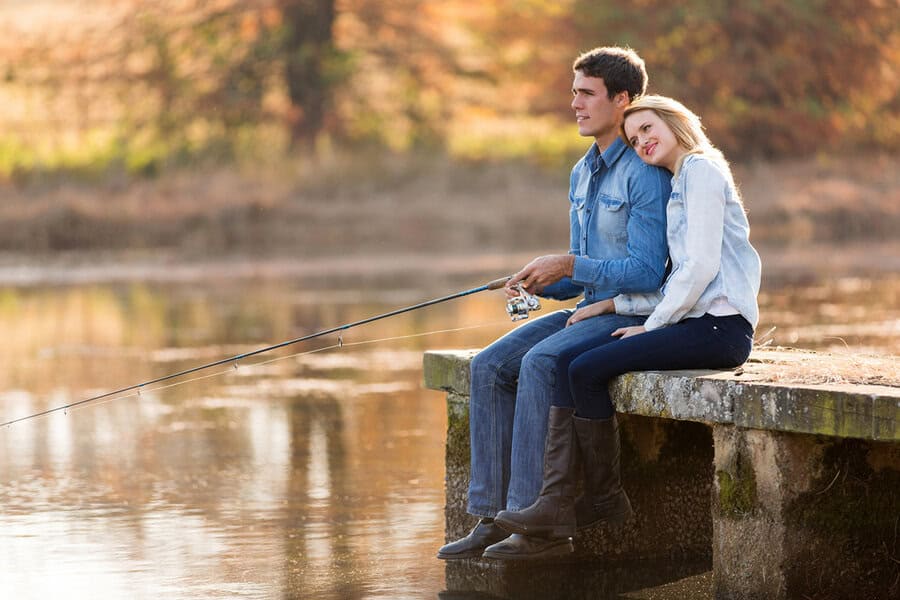
Are Classic Romantic Relationships in Trouble?
Marriage rates have dropped steadily for decades. People delay commitment longer than any previous generation. Dating apps generate billions in revenue while users report frustration and exhaustion. The numbers tell a story that feels familiar to anyone who has tried to build a lasting romantic partnership in recent years.
The question of trouble depends on what you mean by classic. If classic means two people meeting organically, falling in love, marrying in their early twenties, and staying together for life, then yes, that model faces pressure from multiple directions. But trouble might be the wrong word. What looks like decline could also be recalibration.
Rather than disappearing, romantic relationships appear to be undergoing reassessment. Social expectations have shifted, economic pressures have intensified, and personal priorities have diversified. These changes influence not only when people commit, but how commitment itself is defined.
The Numbers Behind the Conversation
U.S. Census Bureau data from December 2025 shows that 47% of American households consist of married couples. Fifty years ago, that figure was 66%. The median age at first marriage now sits at 30.8 for men and 28.4 for women. People are waiting longer, and many are choosing not to marry at all.
Women’s attitudes toward marriage have also moved. Between 2019 and 2023, the share of women who said marriage was not important for a fulfilling life increased from 31% to 48%. This represents a notable change in how people conceptualize satisfaction and partnership.
These figures are often interpreted as evidence of decline. However, they can also reflect increased freedom of choice. When social pressure eases, people may pursue relationships that better align with their values rather than following a single prescribed path.
Relationship Formats Outside of Conventions
The data on marriage and dating points toward a clear pattern: fewer people are following traditional paths. U.S. Census figures from December 2025 show married couples now make up 47% of households, down from 66% half a century ago. The median age at first marriage has climbed to 30.8 for men and 28.4 for women. These numbers suggest people are taking longer to settle into conventional arrangements, or bypassing them altogether.
Some seek alternatives through a sugar dating site or other platforms that cater to specific preferences. Pew Research Center found seven in ten single adults looking for relationships describe their dating lives as unsuccessful. The 2019 to 2023 period saw women reporting marriage as unimportant for a fulfilling life rise from 31% to 48%. People are clearly reconsidering what partnership should look like.
Rather than rejecting intimacy, many individuals appear to be experimenting with structures that offer clearer expectations or emotional boundaries they find more manageable.
Dating Apps and Their Discontents
The Survey Center on American Life released findings in 2024 showing that 58% of Americans believe dating apps are not too safe or not at all safe. Women who have never married express these safety concerns at higher rates than other groups.
Hinge published a report in 2025 that found 84% of Gen Z daters want deeper connections. The same report noted they are 36% more hesitant than millennials to begin substantial conversations on first dates. People want intimacy but struggle to initiate it through the tools available to them.
This creates a peculiar situation. The platforms designed to connect people efficiently often leave users feeling disconnected. Seven in ten single adults looking for relationships or dates describe their dating lives as going poorly, according to Pew Research Center.
Technology has streamlined access to potential partners while simultaneously introducing fatigue, caution, and uncertainty into the process.
What Counts as Classic Anyway
The romantic relationship model most people reference when they say classic emerged in a specific historical context. Post-war economic conditions, religious institutions, legal frameworks around property and inheritance, and gender role expectations all supported early marriage and lifetime partnership. Remove or alter those conditions, and behavior changes.
Younger generations inherited different circumstances. Housing costs consume larger portions of income. Career establishment takes longer. Student debt loads affect financial planning. These realities push marriage timelines backward and complicate long-term decision-making.
Seen this way, changing relationship patterns reflect adaptation rather than rejection.
Commitment Has Not Disappeared
People still form long-term partnerships. They still cohabitate, raise children together, and build shared lives. The legal and ceremonial wrapper around these arrangements appears less necessary to many. Some couples stay together for decades without ever marrying. Others marry later after years of partnership.
The desire for connection remains constant. How that desire gets expressed and formalized varies by generation, economic class, geography, and personal preference.
What has shifted most is the sequence and symbolism surrounding commitment, not its importance.
Safety Concerns and Hesitation
Women express particular concern about dating app safety. This is consistent with documented cases of harassment, assault, and deception on these platforms. The hesitation to engage deeply through apps may reflect rational caution rather than declining interest in relationships.
Gen Z’s reluctance to open deep conversations on first dates may stem from similar instincts. Building trust before vulnerability can be a reasonable response when meeting strangers through technology.
This slower approach may prioritize emotional security over speed.
The Trouble Question Revisited
Classic romantic relationships face competition from alternative arrangements. They face skepticism from people who watched their parents divorce. They face practical obstacles related to housing and finances. They face technological intermediaries that sometimes help and sometimes hinder connection.
None of this means romance is disappearing. It suggests romance is adapting to modern conditions. People still fall in love. They still want companionship and intimacy. They still form families and households. The packaging simply looks different than it did in 1970.
Whether this constitutes trouble depends on how success is measured. If marriage rates are the primary metric, the trends appear concerning. If success is defined by whether people form meaningful partnerships on their own terms, the picture becomes more complex.
The classic model worked for many in its time, but it also constrained those who lacked the freedom to leave unhappy or unsafe situations. Contemporary arrangements offer more flexibility alongside greater uncertainty. That tradeoff will continue to shape how relationships evolve.
Conclusion
Classic romantic relationships are not vanishing but transforming in response to social, economic, and technological change. As traditional structures lose their monopoly, individuals gain greater freedom to define partnership in ways that suit their realities. This shift introduces uncertainty, but it also allows for more intentional and honest connections. Romance persists not as a fixed formula, but as an evolving expression of human need shaped by the world people live in today.